Failed execution of female murderer

  • Welcome to Christian Forums, a Christian Forum that recognizes that all Christians are a work in progress.

    You will need to register to be able to join in fellowship with Christians all over the world.

    We hope to see you as a part of our community soon and God Bless!

shepherdsword

Encounter Team - Eagle
Staff member
Encounter Team
Feb 12, 2009
2,414
2,169
113
Millington
Faith
Christian
Country
United States
Gender
Male
I think part of our disagreement comes from talking about two different levels of judgment. You’re focusing on the state’s responsibility to maintain order; I’m talking about the Christian responsibility to imitate God’s heart toward the sinner. Those aren’t the same thing, and Scripture treats them differently.

Yes, civil authority has a legitimate role in restraining evil. Romans 13 makes that clear. Christians can support due process, lawful adjudication, and the rule of law. But none of those passages say that Christians should desire the death of a sinner, or that God wants capital punishment. In fact, Scripture is explicit on the opposite point:

“I take no pleasure in the death of the wicked, but that the wicked turn from his way and live.” (Ezekiel 33:11)

God’s desire is always repentance, healing, and conversion — never destruction. And Jesus shows this repeatedly. The clearest example is the adulterous woman in John 8. The Mosaic law explicitly required her execution. The Pharisees weren’t misreading anything; the penalty was death. Yet Jesus stops the execution. He doesn’t deny the seriousness of her sin, but He reveals God’s heart: mercy ordered toward conversion.

“Neither do I condemn you. Go, and sin no more.”


If God desired the death of the sinner, that moment would have affirmed it. Instead, Jesus shows that even when the law permits death, God desires repentance and restoration. That is the model Christians are commanded to imitate.

The adulterous‑woman scene also highlights the danger of judging and condemning from a place of hypocrisy. Jesus forces every accuser to confront their own sin before they dare to condemn someone else. Humans almost never judge perfectly, much less without hypocrisy. All of us are guilty of sin, and many are guilty of the very sins they condemn in others. This is why Jesus shifts the focus from the act alone to the heart — because only God can judge without hypocrisy, and Christians must imitate His mercy rather than human self‑righteousness.

And the fact that Christina Pike survived two lethal injections and was declared brain-dead yet lived again should at least remind us that God remains sovereign over life and death. If God had willed her destruction, she would not be here. The very fact that she continues to live suggests that God has not finished with her — that He still desires her repentance, healing, and conversion. God alone is the giver and taker of life, and He often uses even the justice system to reveal His mercy.

So yes, the state may have the legal authority to punish wrongdoing. But Christians are not permitted to imitate the state’s posture. We are commanded to imitate God’s posture — and God’s posture is mercy, patience, and the hope of conversion. Supporting the rule of law doesn’t require wanting someone’s death; it requires wanting justice. And justice in the Christian sense is always restorative before it is punitive.

My point about Christina is simply this: Christians must not judge her soul by the act alone. God judges both act and heart, wounds and intent, circumstances and interior reality. We can acknowledge that she must face legal consequences while still desiring her healing and salvation. That is the Christian posture.

So I’m not arguing against due process or lawful adjudication. I’m arguing that Christians should align their desires with God’s will — and God’s will is the conversion of the sinner, not their annihilation. Jesus Himself shows us that mercy is not weakness; it is the very shape of divine justice.
I hate the death penalty. I take no enjoyment in the death of the wicked. That being said, I fully support the death penalty because I see it's necessity.

Ge 9:6
Whoso sheddeth man's blood, by man shall his blood be shed: for in the image of God made he man.
 
  • Love
Reactions: Wrangler

Wrangler

Well-Known Member
Feb 14, 2021
21,923
9,634
113
57
Shining City on a Hill
Faith
Christian
Country
United States
Gender
Male
I think part of our disagreement comes from talking about two different levels of judgment. You’re focusing on the state’s responsibility to maintain order; I’m talking about the Christian responsibility to imitate God’s heart toward the sinner.
Yup, except you are denying that as Christians, we are part of the State, making it OUR responsibility to maintain order. See Ordo Amoris. As Christians, we do not have one responsibility.
 
Last edited:

sondring7

Active Member
Sep 13, 2026
407
104
43
Australia
Faith
Christian
Country
Australia
Gender
Male
I hear this method of execution is nice and excruciating*. Will this suffice for your need for revenge?
1000_F_740007274_KUbNwq12EZ2J09tQKfzKOdZs0dpDwx0T.jpg

(*Latin pun intentional.)
Torture some to death then don't expect sympathy from me if your punishment is the same
 

Jack

Well-Known Member
May 3, 2022
17,070
6,352
113
Midwest
Faith
Christian
Country
United States
I have to disagree with you here @Jack. I know you feel strongly about but killing and murder aren’t the same. Consider the burden these verses put on us:
  • Micah 6:8 The LORD God has told us what is right and what he demands: "See that justice is done
  • Romans 13:4 if you do what is wrong, be afraid! Because it is not for nothing that he holds the power of the sword; for he is God’s servant, there as an avenger to punish wrongdoers.
  • 1 Corinthians 6:3 Don't you know we will judge angels? And if this is so, we can surely judge everyday matters.
I understand your point of letting her come to Christ in prison. It’s irresponsible to deny that just because we’re Christian’s suggest we don’t have Biblical burdens besides evangelism that extend to our supporting civilian authorities carrying out their God given responsibilities.

Being a religious and moral people, we live by the maxim of equal protection under the law. And of course, I’m talking about laws we humans are blessed to enact being a free people. Now, with respect to capital punishment, I stand opposed, in theory. In practice, we must live under the law OR change the law. It is law that separates civilization from barbarism. And you know our God is not a God of chaos but order, laws and ordinances.

An injustice in our system is violating a ‘public and speedy‘ trail. The Fort Hood massacre mass murderer waited 17 years to be given justice. The Tennessee woman waited 30 years. The adjudication should be complete within a lunar cycle, IMO.
I will NEVER approve of MURDERING someone just because utterly corrupt courts find them guilty! Many have spent years in prison and then found to be innocent!
 

Wrangler

Well-Known Member
Feb 14, 2021
21,923
9,634
113
57
Shining City on a Hill
Faith
Christian
Country
United States
Gender
Male
++++This is why God says vengeance is his.
Then why does Christ allow the death penalty today ?
By vengeance, it is meant revenge. Only another person can avenge you But no one is powerful enough to avenge God’s enemies. So, he has to.

I’m disappointed many Christians don’t seem to have the discernment of temporal judgment, which is our concern on Earth, with eternal judgment which is God’s concern in heaven.
 

sondring7

Active Member
Sep 13, 2026
407
104
43
Australia
Faith
Christian
Country
Australia
Gender
Male
By vengeance, it is meant revenge. Only another person can avenge you But no one is powerful enough to avenge God’s enemies. So, he has to.

I’m disappointed many Christians don’t seem to have the discernment of temporal judgment, which is our concern on Earth, with eternal judgment which is God’s concern in heaven.
Rom 13:1-4
Allows law & order to have the death penalty for relevant crimes
'Law & order' says you cold blood murder then death penalty is allowed
Acts 25:11 Paul ACCEPTED the death penalty if he did something deserving of it

I'm disappointed that many Christians don't bother to learn & understand Rom 13:1-4, Acts 25:11
 
  • Like
Reactions: Wrangler

Moonwood

Member
Aug 24, 2026
393
50
28
Washington
Faith
Christian
Country
United States
Gender
Female
Yup, except you are denying that as Christians, we are part of the State, making it OUR responsibility to maintain order. See Ordo Amoris. As Christians, we do not have one responsibility.

Strawman. No one is doing this.

I don't deny that Christians have responsibilities beyond evangelism or that citizens have obligations toward maintaining civil order. What I'm questioning is the assumption that maintaining order requires supporting execution. A state can maintain order through imprisonment, restraint, punishment, and due process without taking a life. The question isn't whether justice should be done. The question is whether Christians, as followers of Christ, should desire the death of the offender.

More importantly, I notice that you didn't address the example of the adulterous woman in John 8, which is central to my argument. There we have a guilty offender facing a lawful execution under the law. The penalty was death. The authorities were prepared to carry it out. Yet Jesus intervenes and chooses mercy and conversion over execution.

If your position is that Christians should support execution because lawful authority permits it, how do you reconcile that with Christ's own response? Why did Jesus stop the execution rather than affirm it? At the very least, when presented with a guilty sinner facing lawful death, Christ chose mercy and repentance rather than death. Shouldn't that shape the Christian's desires toward offenders?

As for your claim that I'm setting up a strawman, I never said anyone here was explicitly judging Christina's soul by the act alone. I was explaining the principle behind my position. If you agree that a person is more than the worst thing they've ever done, and that repentance, transformation, suffering, and the state of the soul matter, then we agree with that principle.

My concern is that discussions about punishment often focus exclusively on the crime while overlooking what Christ cared deeply about: repentance, restoration, and the salvation of the sinner.

After thirty years of physical, mental, emotional, and spiritual imprisonment, Christina Pike is not the same person she was when she committed that crime. God sees the entirety of a person's life, not merely the moment of their worst sin. Christians should be able to acknowledge the gravity of her crime, support accountability, and still desire her healing, repentance, and salvation.

You continue to return to what the state is authorized to do. I continue to return to what Christ actually did. Those are not the same question. Romans 13 speaks about the authority of government. John 8 shows us the heart of Christ toward a guilty sinner facing lawful death. As Christians, Christ's example must remain our highest model. Justice and mercy are not opposites. We can support accountability and public order while still believing that God's desire for Christina Pike is repentance, healing, and salvation rather than death.
 

Moonwood

Member
Aug 24, 2026
393
50
28
Washington
Faith
Christian
Country
United States
Gender
Female
I hate the death penalty. I take no enjoyment in the death of the wicked. That being said, I fully support the death penalty because I see it's necessity.

Ge 9:6
Whoso sheddeth man's blood, by man shall his blood be shed: for in the image of God made he man.

I understand the appeal to Genesis 9:6, but that doesn't really address the point I raised.

My argument was not that governments have never been given authority to execute. My argument is that Christians should align their desires with the heart revealed in Christ.

That's why I brought up the adulterous woman in John 8, and I notice neither you nor Wrangler have really engaged that example.

In John 8, we have a guilty offender facing a lawful death sentence. The penalty under the law was clear. Yet Jesus intervenes and prevents the execution. He doesn't excuse the sin, but neither does He choose death. Instead, He chooses mercy ordered toward repentance:

"Neither do I condemn you. Go, and sin no more."

So my question is this: if Genesis 9 establishes that governments may execute, how do you reconcile that with Christ choosing mercy when confronted with a guilty sinner facing lawful death?

Because my point has never been about whether the state possesses authority. My point is that when given the opportunity to affirm a lawful execution, Jesus chose restoration over death. If Christians are called to imitate Christ, shouldn't His example shape our desires toward offenders?

I can acknowledge the state's authority, support public order, and still believe that God's desire for Christina Pike is repentance, healing, and salvation rather than execution. Those positions are not contradictory.
 

shepherdsword

Encounter Team - Eagle
Staff member
Encounter Team
Feb 12, 2009
2,414
2,169
113
Millington
Faith
Christian
Country
United States
Gender
Male
I understand the appeal to Genesis 9:6, but that doesn't really address the point I raised.

My argument was not that governments have never been given authority to execute. My argument is that Christians should align their desires with the heart revealed in Christ.

That's why I brought up the adulterous woman in John 8, and I notice neither you nor Wrangler have really engaged that example.

In John 8, we have a guilty offender facing a lawful death sentence. The penalty under the law was clear. Yet Jesus intervenes and prevents the execution. He doesn't excuse the sin, but neither does He choose death. Instead, He chooses mercy ordered toward repentance:

"Neither do I condemn you. Go, and sin no more."

So my question is this: if Genesis 9 establishes that governments may execute, how do you reconcile that with Christ choosing mercy when confronted with a guilty sinner facing lawful death?

Because my point has never been about whether the state possesses authority. My point is that when given the opportunity to affirm a lawful execution, Jesus chose restoration over death. If Christians are called to imitate Christ, shouldn't His example shape our desires toward offenders?

I can acknowledge the state's authority, support public order, and still believe that God's desire for Christina Pike is repentance, healing, and salvation rather than execution. Those positions are not contradictory.
I answered your point. We hate the punishment but see it's necessity. Christ will condemn many to perdition. The "woman caught in adultery" isn't the issue here. You are taking it out of context and cherrypicking an event to suit your view. What about:
Mt 25:30
And cast ye the unprofitable servant into outer darkness: there shall be weeping and gnashing of teeth.
 
  • Like
Reactions: sondring7

Moonwood

Member
Aug 24, 2026
393
50
28
Washington
Faith
Christian
Country
United States
Gender
Female
I answered your point. We hate the punishment but see it's necessity. Christ will condemn many to perdition. The "woman caught in adultery" isn't the issue here. You are taking it out of context and cherrypicking an event to suit your view. What about:
Mt 25:30
And cast ye the unprofitable servant into outer darkness: there shall be weeping and gnashing of teeth.

I don't think Matthew 25:30 addresses the point I raised. Christ's final judgment of souls and the state's execution of criminals are not the same thing.

Of course Christ will judge mankind. Of course the wicked who reject God will be condemned. No Christian disputes that. The question is whether Christians should desire the death of offenders here and now, and whether that desire reflects the heart Christ showed toward sinners.

That's why I brought up the adulterous woman. Calling it "cherrypicking" doesn't actually address the example. It is one of the clearest cases in Scripture of a genuinely guilty person facing a lawful death sentence.

Christ never denied her guilt. He never declared adultery acceptable. Yet when she stood before Him facing death, His attention turned first to the hearts of her accusers:

"Let him who is without sin among you be the first to cast a stone at her."

He forced them to examine themselves before condemning another. And when they departed, He did not insist on her execution. Instead, He gave her the opportunity to repent:

"Neither do I condemn you. Go, and sin no more."

That matters. Christ was the one person present who could judge with perfect justice. He was sinless, omniscient, and free of every hypocrisy. Yet He chose to spare her and leave open the possibility of her conversion.

The lesson is not that sin does not deserve judgment. The lesson is that human beings are often eager to condemn others while overlooking their own sins and limitations. Christ's response was marked by both truth and mercy: He acknowledged the sin, but He did not rush to destroy the sinner.

So my question remains: if Christians are called to imitate Christ, why should His example of sparing a guilty sinner and calling her to repentance carry less weight than appeals to the state's authority to execute?

I am not denying justice. I am saying that when Christ was confronted with a sinner who truly deserved punishment, He chose to give her time, mercy, and the opportunity for conversion. If that reveals something of God's heart toward sinners, then it should matter when Christians consider what they ought to desire for people like Christina Pike.
 

Lambano

Well-Known Member
Jul 13, 2021
10,690
13,335
113
Island of Misfit Toys
Faith
Christian
Country
United States
Gender
Male
Torture some to death then don't expect sympathy from me if your punishment is the same
Do you REALLY want your government to have the legal authority to torture people?

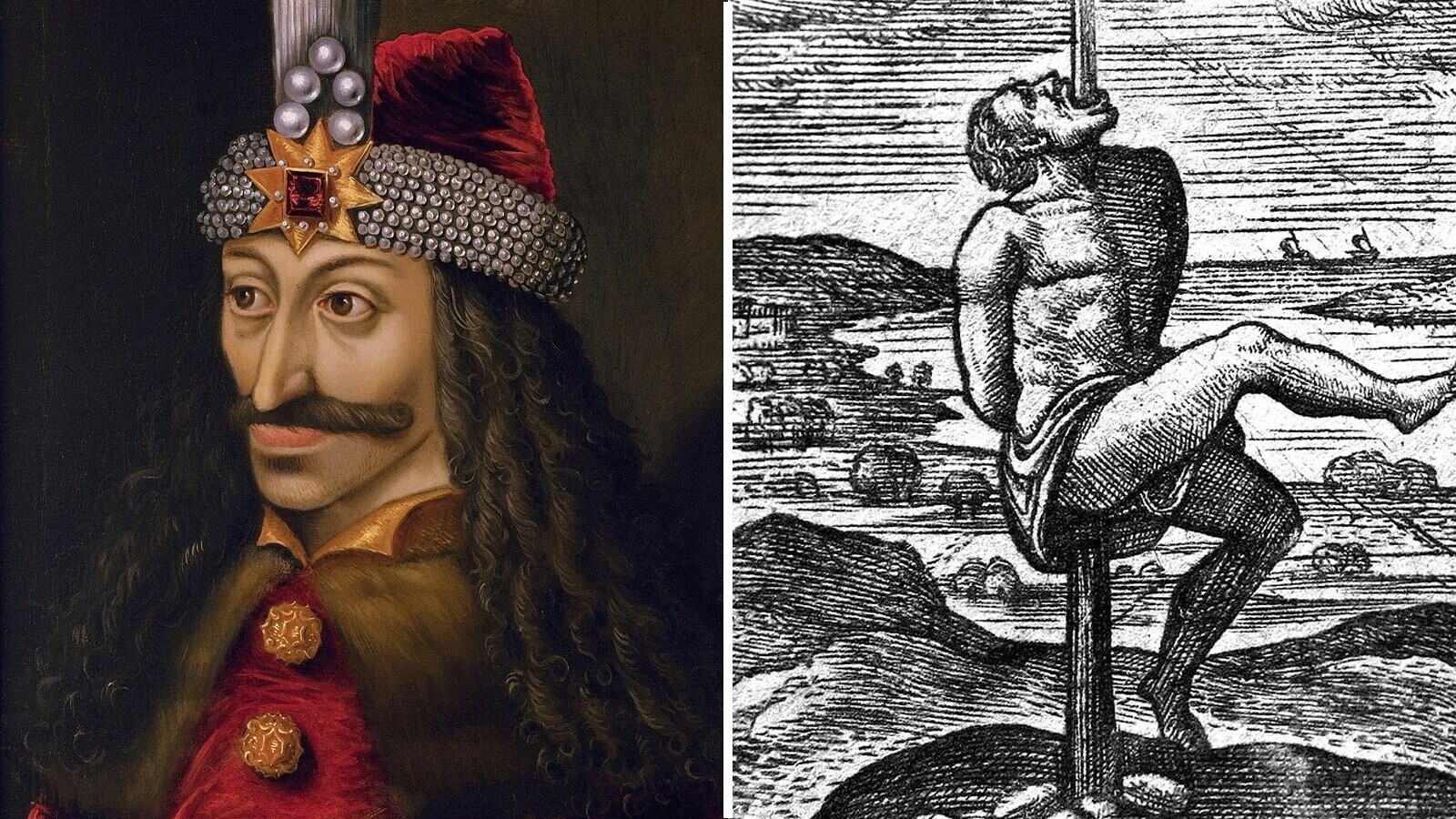
Making a special return appearance, here's Vlad the Impaler and his signature execution move, impaling political opponents, criminals, and enemies of the state through the rectum and leaving them to die in agony.

874175.jpg
 
  • Like
Reactions: Moonwood

sondring7

Active Member
Sep 13, 2026
407
104
43
Australia
Faith
Christian
Country
Australia
Gender
Male
Do you REALLY want your government to have the legal authority to torture people?

Making a special return appearance, here's Vlad the Impaler and his signature execution move, impaling political opponents, criminals, and enemies of the state through the rectum and leaving them to die in agony.

874175.jpg
If that person on the right cruely & slowly tortured your mother to death, would you care if he got that punishment ?
 

Moonwood

Member
Aug 24, 2026
393
50
28
Washington
Faith
Christian
Country
United States
Gender
Female
If that person on the right cruely & slowly tortured your mother to death, would you care if he got that punishment ?

Yes. If I truly want to follow Christ, I should desire for even the worst offender what Christ desired for the adulterous woman: repentance, conversion, and salvation. My personal pain would not change the Gospel.
 
  • Like
Reactions: Lambano

sondring7

Active Member
Sep 13, 2026
407
104
43
Australia
Faith
Christian
Country
Australia
Gender
Male
I'm sure you already know that you can't always let your emotions dictate your behavior. This is true in following Christ and in the secular sphere.
Explain Rom 13:1-4

1Let every soul be subject unto the higher powers. For there is no power but of God: the powers that be are ordained of God.

2Whosoever therefore resisteth the power, resisteth the ordinance of God: and they that resist shall receive to themselves damnation.

3For rulers are not a terror to good works, but to the evil. Wilt thou then not be afraid of the power? do that which is good, and thou shalt have praise of the same:

4For he is the minister of God to thee for good. But if thou do that which is evil, be afraid; for he beareth not the sword in vain: for he is the minister of God, a revenger to execute wrath upon him that doeth evil.
 

Moonwood

Member
Aug 24, 2026
393
50
28
Washington
Faith
Christian
Country
United States
Gender
Female
Explain Rom 13:1-4


1Let every soul be subject unto the higher powers. For there is no power but of God: the powers that be are ordained of God.

2Whosoever therefore resisteth the power, resisteth the ordinance of God: and they that resist shall receive to themselves damnation.

3For rulers are not a terror to good works, but to the evil. Wilt thou then not be afraid of the power? do that which is good, and thou shalt have praise of the same:

4For he is the minister of God to thee for good. But if thou do that which is evil, be afraid; for he beareth not the sword in vain: for he is the minister of God, a revenger to execute wrath upon him that doeth evil.

Below is the explanation of Romans 12 and 13.

Part 1

The Sacrifices were the basis and the forms of ancient religion. Everything was obtained and everything was expiated by means of sacrifices. Through the sacrifice, one intended to honour God and appease Him, thanking Him for a victory or for a healing. It was the era of the material sacrifice. And it was logical that it was such, given that there was no other rite, nor any other obvious way of honouring the Eternal and invoking His help.

Man, who had still not been taught by the Incarnate Word and who was lacking a holy Victim for a perpetual and perfect Sacrifice, nevertheless felt, through even a natural law, that the Creator, the true God or the god worshipped in individual religions, was to be offered the same gifts that He had given to man, and thus [man] used animals and fruits of the earth in a burnt offering so that they could be truly sacrificed.

However, were they "a living sacrifice"? No. They were the sacrifices of animals or of plant products, the first being already dead and the second already up-rooted from the nourished earth. There was no living victim placed to consume his sacrifice in order to honour God. And the sacrifice was always relative, even if it was of large animals of great material value.

Never, prior to the Christ-Lamb being immolated in order to appease and expiate divine wrath and human sins, never had a man been sacrificed except in idolatrous religions, or had sacrificed himself in order to give perfect honour and atonement to God. And therefore, the sacrifice was always relative and imperfect since, on account of the sins of men, animals which were less guilty than men, were immolated, substituting upon the altar the one who was truly guilty. And all sins, through God's kindness and who had Himself indicated these sacrifices in expectation of the perfect sacrifice, were expiated thus.

All except one: Original Sin. For that one, mountains of victims would not have been sufficient. Even if in one go, all the bulls, calves, lambs and goats were to have been immolated, which for centuries had transformed the Temple into a perpetual slaughter-house, especially during ritual feasts, flowing with rivers of blood and smoking with the fires of the victims, the sacrifice would not have been sufficient to wash out Original Sin.

So that the spirit of man could be restored to Grace and man restored to his dignity as a child of God, co-heir of Heaven and so that Justice could be appeased and Evil conquered, a perfect Victim was needed, a unique Victim who, being God as the offended God, would pay as God to God, the redemption of man, and as the most Holy Man, He would expiate for the sinful man.

Only the Man-God, Jesus, could have appeased God and redeemed man, being true God and true Man.

And Jesus was immolated. However, His Sacrifice was not consumed on dead flesh, but on a living Body onto which all the torments were hurled in order to expiate all the sins of which the Innocent One had burdened Himself so as to consume them all.

Total sacrifice: of the spirit of Christ tested by the abandonment of the Father in order to make amends for the sin of the spirit of Adam, guilty for having abandoned God and His Law; of the perfect intellect of the Son of Man in order to make amends for the pride of Adam; of the innocent flesh of the Lamb of God in order to make amends for Adam's lust. And so that the world, forever a sinner, could always have a perfect victim in the presence of the immolation, the eternal Christ and Pontiff constitutes the perpetual sacrifice: that of the Eucharist in which it is still and always Christ in Body, Blood, Soul and Divinity who is offered and consumed upon the altars.

Perpetual sacrifice and living sacrifice. The new sacrifice of the perfect Religion. "This is My Body, this is My Blood which are given up for you. Do this in memory of Me." He uses the present [tense]. Because in fact, until the end of time, the Sacrifice will always be new and always the same as the one consumed by Christ, equally valid before God and in favour of men.

However, to the living Sacrifice which is consumed upon the altars, man must join to it his own individual sacrifice, the one of all hours to be carried out in all his occupations, duties, and above all, in the will of God, even if it is a will of sorrow. A sacrifice that can be either of the flesh, in the form of diseases, poverty and exhausting work; moral, in the form of injustices, calumnies and incomprehension; or spiritual, in the form of persecutions on the part of men or abandonments of God in order to test the faith of His servant. And more: faithfulness to the Law by preserving bodies, thoughts, sentiments and spirits in a chaste, just and loving manner.

Because this, more than the outward rites, constitutes the reasonable service of which Paul speaks. Not only the form, but the substance of the service to God. And the substance is given by renewing oneself, by a continual renewal of the individual I, as the renewal of the whole of creation in its animals, plants and in its seasons is continual, a continual spiritual and moral renewal in order to make oneself into a new humanity, transforming oneself ever more in Christ. The essence of the devotion to God is given by a continual, arduous and sometimes even sorrowful ascending towards the perfection in order to do the will of God, the first and common divine will for all creatures with divine likeness and predestination to glory: that they make themselves holy in order to rise to the dwelling place of the Father forever.

This renewal, this transformation, this ascent towards perfection, this human will which is precisely of the man in whom there is a more living likeness with the Father, union with the Son, and a docility towards all the inspirations of the Holy Spirit, - so that his gifts do not remain inert as a seed which has fallen onto a stone, but active as a seed which has fallen into very fertile soil and that as a great plant is able to nourish with holy fruits not only the one who possesses it, but many others, more unhappy than guilty, poorer in God because they do not know Him and because there is no one who instructs them because they are indifferent to God - one obtains by doing, in everything and for everything, that which God proposes one to do, in the way in which God proposes it and in the measure which God marks out.

Contributing much to the good of the whole mystical Body is one who crosses the continents and who labours tirelessly in apostolic work in order to bring new Christians to the militant Church, as someone who, unknown and hidden, suffers, and owing to his grief, he requests the help of missionaries; nor is his little Mass (the victims are hosts and their bed is Golgotha on which they consume the sacrifice for the good of many) less pleasing to the Lord. Contributing to the good of his brothers is he who writes the revelations of God because God made of him a revealer, like one who writes works of a genius in order to render the obscure points of the Scriptures or of truths of faith more comprehensible and more lovable because Jesus' and Mary become better known. It is sufficient that every action or ministry be moved and upheld by love. True love.

True love which makes one hate the evil in himself not because it is the cause of superterrestrial punishment, but because it is a sorrow given to God. True love that, as it brings us to not want to do evil, so it pushes us to tear away our sinful brothers from evil, and inspires us to reproach them in a manner that, having to be rightly severe however, they are not lacking in mercy to the point of embittering or disheartening instead of comforting those who have fallen. True fraternal love that makes men into brothers who reciprocally tolerate each other even if they are very imperfect, and who always help each other and love each other in the Lord. True love that makes them diligent in the zeal and for the zeal towards God, fervent in spirit, serene during trials, patient in tribulations, unwearied in prayer, even if it seems that Heaven does not answer, merciful, and therefore, practicing all the corporal and spiritual works of mercy without rancour, hate or desire of revenge, full of understanding for their neighbour, without envying him if he is joyful, without indifference or delighting wickedly if he suffers, and not avid of rising to positions of honour by de-throning others, even by means of calumny, always happy of their very own condition and who are never revengeful, even towards those who have harmed them.

This is love. True love that gives glory to God and good to ones' brothers. And God, if not our brothers, will make up for it by re-establishing justice, by showing the truth of facts, and by punishing and rewarding just as each has merited.

 
Last edited:

Moonwood

Member
Aug 24, 2026
393
50
28
Washington
Faith
Christian
Country
United States
Gender
Female
Explain Rom 13:1-4

Part 2

And that love be a guide even in the relationships between authorities and subjects, be they either ecclesiastical or secular authorities. None of these, having been placed in high places, must be without love and justice. God - because it is God who has permitted this one or that one to come into power - has not placed anyone in high places so that they can be a torment to their brothers, but to test the justice and charitableness of the authorities and to punish those who do not practice both by foolishly believing themselves to be free from such duties because of their high positions.

To be in a high position, to be the "heads", implies paternal duties besides those that are brotherly, and whoever is lacking thereof, is severely judged by God who renders them responsible not only for their own sin of being uncharitable and unjust, but also for the reactions that such sins provoke in their subjects. He who persecutes, torments and unjustly strikes one who is humble, a subject, just because he is in a high position, will be called to answer to God of the scandals and of the discomforts and of the doubts on the divine justices and providences that inevitably rise in the hearts of the oppressed.

God does not punish and will not punish one who is unjustly punished by men who have any authority; He will not punish him even if the oppressed has justified reactions. However, He will be inexorable towards the one who assails the spirits of the humble and who arouses doubts, rebellions and the like in you by acting in a domineering way.

And He will punish them because, again, these people strike at God. Yes. God, who can be deprived of a child, or hear Himself be placed in doubt by a child through the freedom of the evil actions of the "mighty". In fact, what does the struck one think? "But God, who is omnipotent, why does He not intervene?" "Then is it not true that a trusting prayer obtains help from God?" Do the "mighty ones" comprehend who they strike by unjustly striking a subject? It is God whom they strike. It is God who suffers with and in the ones who suffer injustice. It is God who is struck every time that one lacks in love.

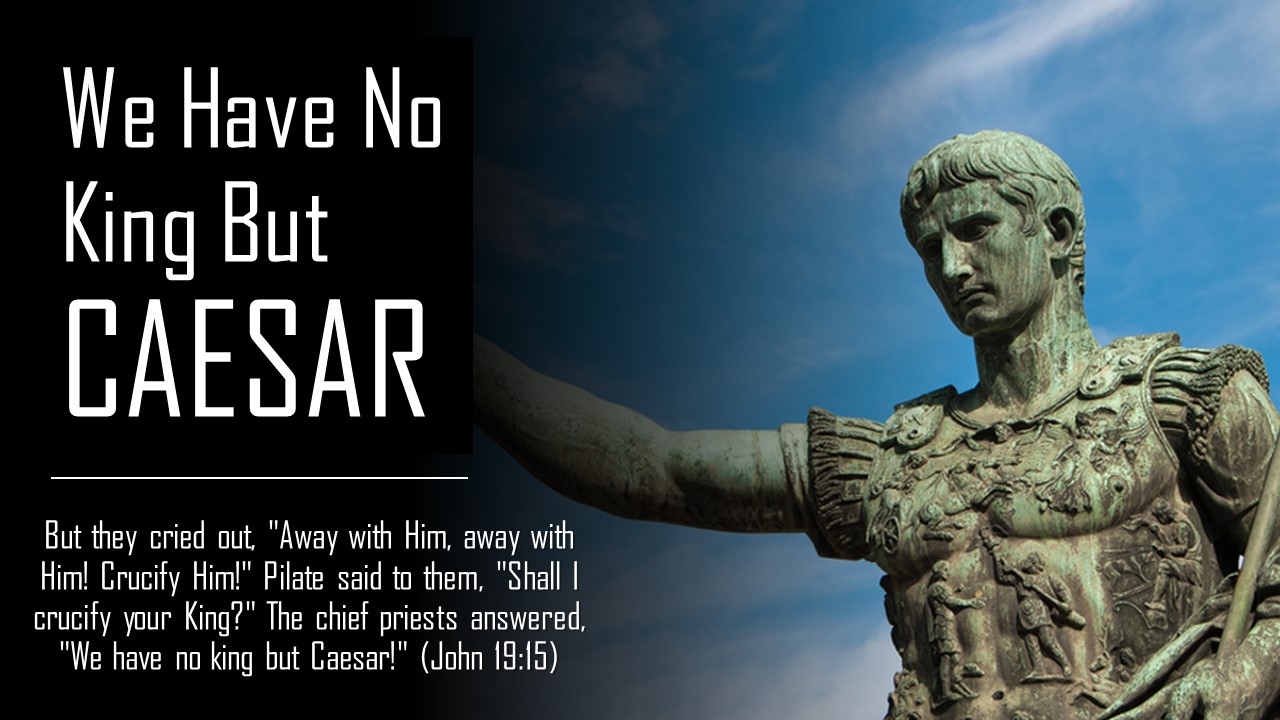
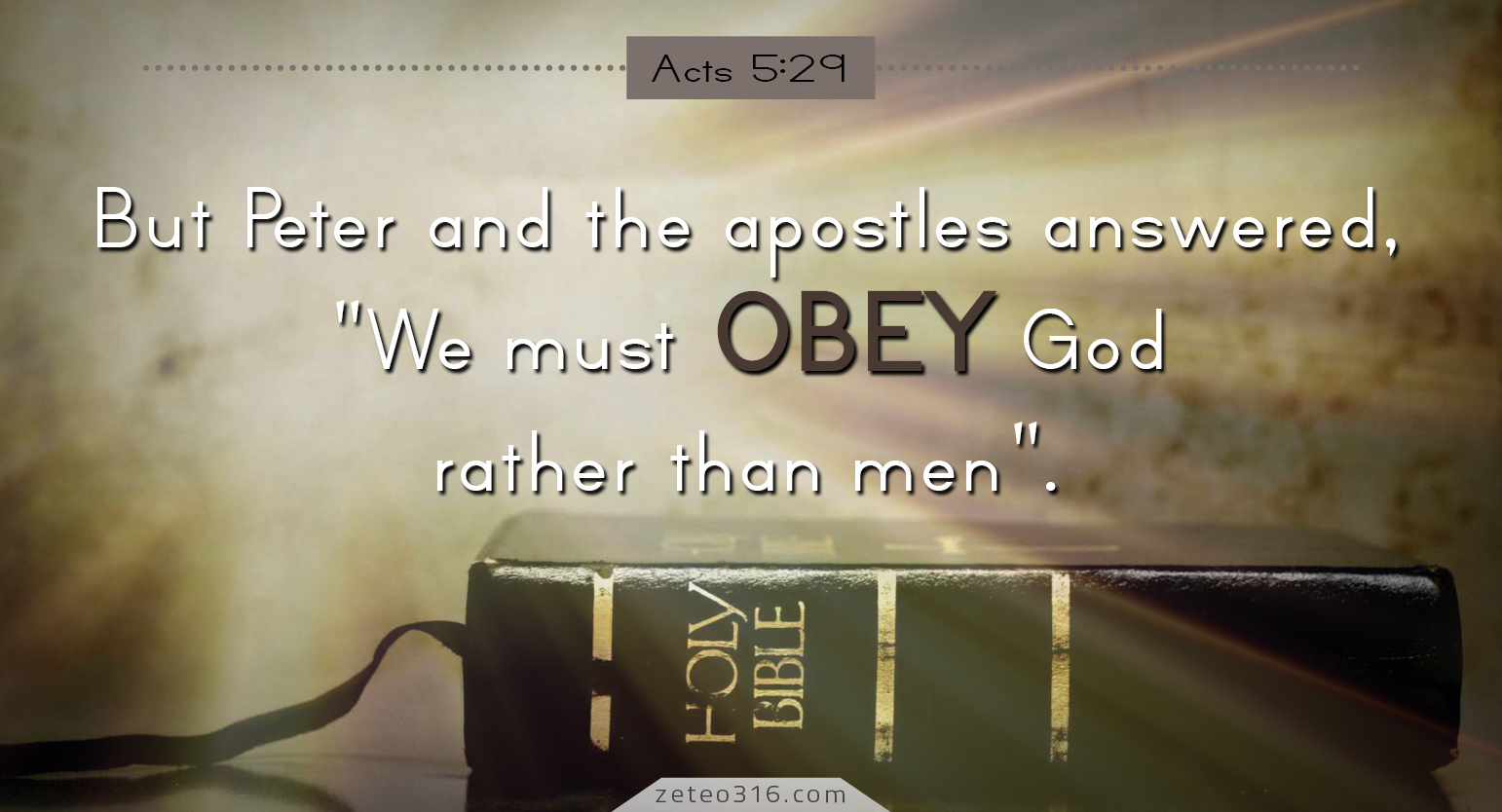
And that love be a guide in the relationships of subjects towards the authorities. Do not judge them, but leave it to God to judge them. Do not rebel, provided that their orders are not contrary to religion and to morals for the common good, or to a precedent and immutable divine order, in which case, at the cost of suffering a bloody or bloodless martyrdom, one needs to heed the example of Christ who did not bow to the intemperate wills of the Sanhedrin and Pharisees in general, nor to those of Herod; and to take the Baptist's example who served justice though knowing that by doing so, he would have lost his life; and also to take the example of Peter and John before the Sanhedrin, from James and from all the exterminated people of the martyrs of every period, from those who were torn to pieces, burned and mangled in the arenas and elsewhere, to those who were burned on the stakes as servants of the devil or heretics for having done that which God ordered them to do.

To know how to say, "One needs to obey only God" and "God is to be served first" as the heroes of God knew how to say, from Peter to Joan of Arc. To know how to say, through other bloodless persecutions, that which Bernadette of Lourdes, Lucy of Fatima and her little cousins, and many, many others have said.

As long as the mighty, for as long as they are such - because from one day to the next, a pit or a movement of people could humiliate to putridness and bring to naught their power of which they were so proud and up to making of it an instrument of torture to the little ones - as long as the mighty do not command things contrary to the will of God who is the one, true, eternal, perfect Almighty One, Omnipotent rather - and whoever, however high up he may be, should remember this in order not to fall prey to many sins - and things which are contrary to religion and morals, except for in these cases, they are to be obeyed. Because in this case, when they order lawful things, they serve to inform of the orders of good which God had first taught to men.

Does the human law not perhaps strike those whom the divine law already strikes? Thus, and to escape from the punishment of God and that of men, and to live in justice and love as the children of God must live in order to be truly such and to keep themselves as such, one needs not to do evil, no evil, neither towards God nor towards men; one needs not to be lacking in the law of love and not to disobey the voice of the conscience that God has placed in every man so that he be guided towards good.

In this way - by not failing in the law of love, justice and of the conscience, but above all, not lacking in any way whatsoever in love - you will give reasonable service to God and you will reach perfection in the observance of the Law, because love is the fulfillment of the law and whoever lives in love does not fall into the concupiscence of the flesh, that of the mind and that of the spirit, and remains in the Light; in God; he identifies himself with Christ and he will share in His Kingdom.