


3. Spiritual Aspect: Connection to God and Idolatry
Addiction is often a form of idolatry: worshiping created things instead of the Creator. Ezekiel 14:3 warns:“These men have set up idols in their hearts and put the stumbling block of their iniquity before their faces.”
Examples:
PornographyExploits dopamine reward pathways, objectifies people, and leads the heart away from God.
David said: “I will set before my eyes no vile thing” (Psalm 101:3), modeling a covenant with his eyes to protect the soul.
Jesus warned: “Everyone who looks at a woman with lustful intent has already committed adultery with her in his heart” (Matthew 5:28).
Masturbation
Turns pleasure inward, fostering self-idolatry.
Scripture reminds us: “Do not offer any part of yourself to sin… but rather offer yourselves to God” (Romans 6:13).
Reinforced by: “Your body is a temple of the Holy Spirit… glorify God in your body” (1 Corinthians 6:19–20).
Social Media / Gaming
Can become an idol of attention, escape, or achievement.
Colossians 3:2 instructs: “Set your minds on things that are above, not on things that are on earth.”
Comfort Eating
Provides emotional relief but risks idolatry of comfort and gluttony.
Matthew 4:4 reminds us: “Man shall not live by bread alone, but by every word that comes from the mouth of God.”
Gambling / Money
Risk-reward cycle hijacks dopamine and fosters obsession.
Jesus warns, “You cannot serve both God and money” (Matthew 6:24).
The consistent theme is that addiction replaces God with a counterfeit, whether pleasure, comfort, or wealth. True freedom comes through Christ:
“So if the Son sets you free, you will be free indeed” (John 8:36).
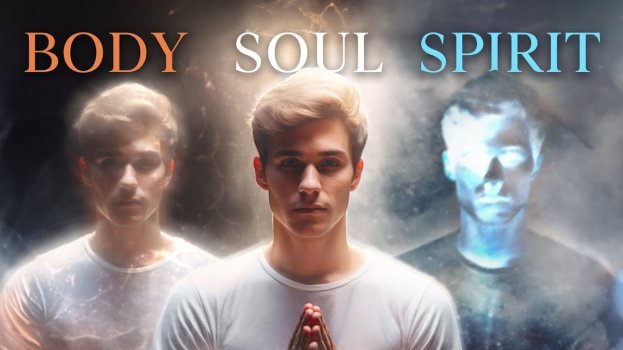
The Intergration: Body, Soul, and Spirit
Physical: Care for the brain and body; recognize neurological patterns of addiction. Some people believe that you can change these patterns by changing your lifestyle by engaging inactivities that still give you a dopamine hit but are better for your well-being, i.e., reading the Word of God, worship, prayer, spending time fellowshipping and helping others and having someone you can trust who is able to support you.Soul: Guard emotions and thoughts; cultivate positive mental and emotional health.
(Proverbs 4:23) Watch over your heart with all diligence, For from it flow the springs of life.
Psalms 34:18 “The LORD is close to the brokenhearted and saves those who are crushed in spirit.”
(Matthew 11:28) “Come to me, all you who are weary and burdened, and I will give you rest.”
Spirit: Identify idols and redirect worship to God; build spiritual disciplines and accountability. Matthew 5:6 tell us: “Blessed are those who hunger and thirst for righteousness, for they will be filled.”
1 John 4:4 “You, dear children, are from God and have overcome them, because the one who is in you is greater than the one who is in the world.”
(1 Corinthians 10:15) No temptation has overtaken you except what is common to mankind. And God is faithful; he will not let you be tempted beyond what you can bear. But when you are tempted, he will also provide a way out so that you can endure it.”
Medical research supports the integration of physical, emotional, and spiritual care for addiction recovery (Koenig, 2012, Journal of Religion and Health).
In Summary:
| Aspect | Description | Scriptures | Notes / Insights |
| Physical (Body) | Tangible, neurological, and biological health | 1 Corinthians 6:19-20 | Dopamine, serotonin, endorphins affect habits; medical science confirms addictive behaviors hijack brain reward systems. |
| Soul (Mind, Emotions, Will) | Inner life, thoughts, feelings, emotions and choices | Proverbs 4:23; Romans 7:19 | Emotional and cognitive health influences physical and spiritual well-being; addictive habits distort the soul’s desires. |
| Spirit (Connection to God) | Conscience, worship, faith, spiritual alignment | Romans 8:16; Ezekiel 14:3 | Addiction is often idolatry: turning to created things for fulfillment instead of God. Faith restores the spirit. |
Examples of Habit Impacts
| Habit | Physical Effect | Soul Effect | Spiritual / Idolatry Effect | Scripture Insight |
| Pornography | Dopamine reward hijack | Guilt, shame | Worship of pleasure | Matthew 5:28; Psalm 101:3 |
| Masturbation | Dopamine pathway reinforcement | Self-centered satisfaction | Idolatry of self | 1 Corinthians 6:19-20; Romans 6:13 |
| Social Media / Gaming | Constant stimulation | Restlessness, distraction | Idolatry of attention/escape | Colossians 3:2; Psalm 101:3 |
| Comfort Eating | Dopamine from sugar/fat | Emotional soothing | Idolatry of comfort | Matthew 4:4; Proverbs 23:20-21 |
| Gambling / Money | Risk-reward cycle triggers dopamine | Stress, obsession | Idolatry of wealth | Matthew 6:24; 1 Timothy 6:10 |
Conclusion
Addiction is not only a physical compulsion but also a soul struggle and a spiritual struggle which becomes idolatry. Science illuminates the neurological basis of habits, while Scripture exposes the heart’s tendency toward false worship. Recovery requires holistic care: honoring the body, cultivating soul health, and restoring worship to God. Only in Christ can humans experience true freedom: body, soul, and spirit, from every form of addiction.Angelina 07/09/2025 ( Part 2 of 2)
Last edited:


