DEUT 3:23-7:11 "V'et'Chanan" (and I pleaded)
Moses continues to retell the experiences of his life to the Children of Israel. His life and mission are coming to a close. He is like a father on his deathbed, and causes all of his children to come near and listen to their father’s experiences, or rather “all” of their experiences.
“V’et ‘Chanan l’Adonai” begins Moses, “I pleaded to YHVH…” on the account of entering into the promised land. As we remember, Moses, in anger, had struck the “Rock” (Selah), and yet water still came forth because of the mercy of Adonai; now Moses pleads for mercy; the word “chanun” is a form of the Hebrew “mercy”. One Israeli singer has a song which is: “Avi Chanun” (My merciful father). So, Moses in a way is saying, “I plead for mercy to Adonai; let me see the promised land.
Yet the answer of Adonai was still “No” (Speak no more of this matter). We are all destined an “x” amount of years on this earth; who knows if, through actions we do, might “shorten or even prolong” the time.
We should take advantage of the years that God is giving to us here on earth and make the best of them. If He has called us into ministry, let us perform that which He has called us to do to the best of our ability, using our spiritual gifts up to our final days (if we know when they are).
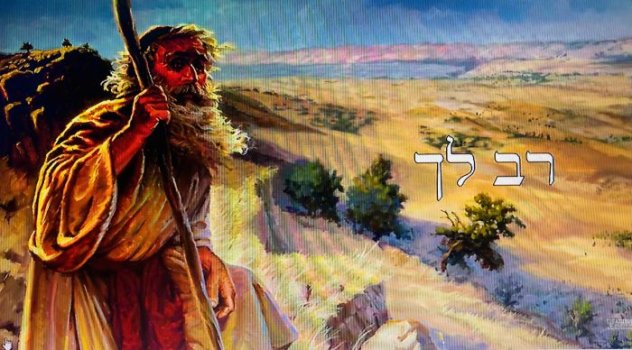
Moses did not ask for more years of life, only that he would be permitted to enter the promised land of Canaan. The request was denied; God said, "Rav Lakh" (it is too much for you). Yet was he allowed into the land of Canaan? Yes, it was a delayed entry. 1500 years later, he was with Yeshua and with Elijah on the Mt. of Transfiguration. Right there is the WHOLE TORAH. The Pentateuch, The Prophets, and the New Covenant.
In this study, we see the review of the Ten Commandments. Why is Moses repeating and reviewing the Ten Commandments? We need to remember that in Exodus 20, those who were at Mt. Sinai were part of the first generation that left Egypt. Now there is the second generation, many of whom were not even born then, and those who were were 19 years old or younger. This generation needs to hear the commandments. The first generation is dead and buried.
(4) “Now, therefore, harken O Israel, unto the statutes and unto the judgments which I teach you, for to do them.” Moses was the teacher, taking all that God charged him to teach, and not “adding to” nor “diminishing” anything, teaching all the details, the “fine print” to say. Teachers of God’s Word have a unique calling: it is their life, their passion, and they should not rest until they accomplish what they set out to do, which is teaching the WHOLE WORD of God, teaching even the smallest details. All details have meaning, even for today.
I AM the LORD thy God: “Anochi Adonai Eloheicha.” He is emphasizing “I AM” (I MYSELF AM) “Anochi,” a very important statement, telling his people that it was HE who brought them out of Egypt and out of slavery. Two very important things, therefore: He has every right to be their God, and He has every right to be OUR God, since He has taken us out of the “World of Sin” (Egypt) and out of “Spiritual slavery”
“THOU shalt not have any other gods before me.” Since pagan worship was the norm of Egypt, worshiping and bowing down to false “elohim,” this was a reminder to Israel that YHVH is different; He is NOT like the false deities of Egypt; He is UNIQUE (Yachid) and He is ONE (Echad). But when people over-emphasize jobs and work, making money, sports, etc.… making them more important than our worship and attention towards Adonai, those “things” become “other gods.” Yes, Adonai is a “Jealous” and “Zealous” God! (El Kanah) and has every right to be so.
“THOU SHALT NOT take the name of YHVH thy God in vain.” What is that? It is using our LORD’s holy name in unholy ways, in unholy conversations, making promises using God’s name, like “I swear to God that I’ll…” and then not fulfilling those promises. We should use HIS HOLY NAME in worship and praise only.
“KEEP (guard) the Sabbath Day to keep it Holy.” Where are we on the sabbath day? We should be in God’s House to worship, praise, and learn from his word through teachers of the Word. It is a time of rest, a time for family to get together and worship the LORD, even for the housewives to turn off the ovens and husbands to take them out to eat, or just whip up some sandwiches. The idea is to "rest in the LORD" and enjoy the day.
“HONOR Thy Father and Thy Mother.” This goes without explanation. I think it is common sense for children to honor and obey their parents, for they are the ones who raise them up. Yet the Fathers and Mothers have a GREAT responsibility to raise them in the knowledge of God and his word. They should not leave it up to Sunday school teachers to teach their kids the Bible. It is the parents' responsibility to start teaching them, reading the WORD to them (you know, bedtime stories)
Moses continues to retell the experiences of his life to the Children of Israel. His life and mission are coming to a close. He is like a father on his deathbed, and causes all of his children to come near and listen to their father’s experiences, or rather “all” of their experiences.
“V’et ‘Chanan l’Adonai” begins Moses, “I pleaded to YHVH…” on the account of entering into the promised land. As we remember, Moses, in anger, had struck the “Rock” (Selah), and yet water still came forth because of the mercy of Adonai; now Moses pleads for mercy; the word “chanun” is a form of the Hebrew “mercy”. One Israeli singer has a song which is: “Avi Chanun” (My merciful father). So, Moses in a way is saying, “I plead for mercy to Adonai; let me see the promised land.
Yet the answer of Adonai was still “No” (Speak no more of this matter). We are all destined an “x” amount of years on this earth; who knows if, through actions we do, might “shorten or even prolong” the time.
We should take advantage of the years that God is giving to us here on earth and make the best of them. If He has called us into ministry, let us perform that which He has called us to do to the best of our ability, using our spiritual gifts up to our final days (if we know when they are).
Moses did not ask for more years of life, only that he would be permitted to enter the promised land of Canaan. The request was denied; God said, "Rav Lakh" (it is too much for you). Yet was he allowed into the land of Canaan? Yes, it was a delayed entry. 1500 years later, he was with Yeshua and with Elijah on the Mt. of Transfiguration. Right there is the WHOLE TORAH. The Pentateuch, The Prophets, and the New Covenant.
In this study, we see the review of the Ten Commandments. Why is Moses repeating and reviewing the Ten Commandments? We need to remember that in Exodus 20, those who were at Mt. Sinai were part of the first generation that left Egypt. Now there is the second generation, many of whom were not even born then, and those who were were 19 years old or younger. This generation needs to hear the commandments. The first generation is dead and buried.
(4) “Now, therefore, harken O Israel, unto the statutes and unto the judgments which I teach you, for to do them.” Moses was the teacher, taking all that God charged him to teach, and not “adding to” nor “diminishing” anything, teaching all the details, the “fine print” to say. Teachers of God’s Word have a unique calling: it is their life, their passion, and they should not rest until they accomplish what they set out to do, which is teaching the WHOLE WORD of God, teaching even the smallest details. All details have meaning, even for today.
I AM the LORD thy God: “Anochi Adonai Eloheicha.” He is emphasizing “I AM” (I MYSELF AM) “Anochi,” a very important statement, telling his people that it was HE who brought them out of Egypt and out of slavery. Two very important things, therefore: He has every right to be their God, and He has every right to be OUR God, since He has taken us out of the “World of Sin” (Egypt) and out of “Spiritual slavery”
“THOU shalt not have any other gods before me.” Since pagan worship was the norm of Egypt, worshiping and bowing down to false “elohim,” this was a reminder to Israel that YHVH is different; He is NOT like the false deities of Egypt; He is UNIQUE (Yachid) and He is ONE (Echad). But when people over-emphasize jobs and work, making money, sports, etc.… making them more important than our worship and attention towards Adonai, those “things” become “other gods.” Yes, Adonai is a “Jealous” and “Zealous” God! (El Kanah) and has every right to be so.
“THOU SHALT NOT take the name of YHVH thy God in vain.” What is that? It is using our LORD’s holy name in unholy ways, in unholy conversations, making promises using God’s name, like “I swear to God that I’ll…” and then not fulfilling those promises. We should use HIS HOLY NAME in worship and praise only.
“KEEP (guard) the Sabbath Day to keep it Holy.” Where are we on the sabbath day? We should be in God’s House to worship, praise, and learn from his word through teachers of the Word. It is a time of rest, a time for family to get together and worship the LORD, even for the housewives to turn off the ovens and husbands to take them out to eat, or just whip up some sandwiches. The idea is to "rest in the LORD" and enjoy the day.
“HONOR Thy Father and Thy Mother.” This goes without explanation. I think it is common sense for children to honor and obey their parents, for they are the ones who raise them up. Yet the Fathers and Mothers have a GREAT responsibility to raise them in the knowledge of God and his word. They should not leave it up to Sunday school teachers to teach their kids the Bible. It is the parents' responsibility to start teaching them, reading the WORD to them (you know, bedtime stories)