.
Revisiting Bluetooth as per comments posted earlier:
detecting proximity for example, using Bluetooth power;
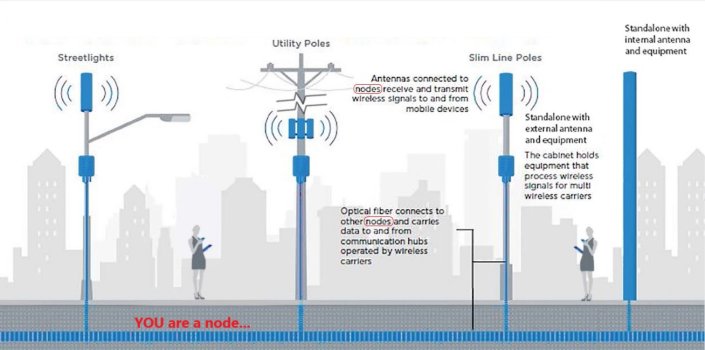
Planting thoughts and harvesting brainwaves can be accomplished with light frequencies. It's why you have blue-lit computer screens, TV, blue automobile headlights, blue street lights, blue LED's, BlueTooth etc.
PAN (Personal Area Network): Connects electronic devices within an individual's workspace, such as Bluetooth connections.
an electronic device, such as a cellphone, is used to detect contact which may be sufficient to transmit (e.g., detecting proximity for example, using Bluetooth power;
the smart device is configured to inform on the user's location at all times and to communicate with adjacent smart devices (via Bluetooth for example)
keeping social distancing (e.g., based on Bluetooth power levels and/or NFC detection), moving between multiple locations, etc.
BLUETOOTH
By definition, Bluetooth is “a short-range wireless communication technology standard that allows devices to exchange data over radio waves without the need for cables or physical connections.” In layman’s terms, it is used to send and receive information without a cord. So, for example, if you have a computer and a printer, you would need to plug your printer into your computer to make it work, whereas with Bluetooth, you can wirelessly connect the two devices. When devices are linked together, they are referred to as “paired,” so you pair your printer with your computer one time, and you can wirelessly print all day, every day, without re-syncing it; it’s a one-and-done gig.
Regarding specifically what information is transmitted, it all depends on the device and the purpose of it. All smart appliances use Bluetooth. This means all cell phones, smart cars, fridges, video doorbells, watches,
earbuds, the Amazon Echo and similar devices, televisions, gaming consoles, BBQ grills, and even
coffee makers—all of these
transmit data about us wirelessly. This data often consists of what is called “user profiling,” which can include a user’s past and present purchase records and daily routines, as well as GPS location data (think of Google Maps or AirTags).
As the New York Times reported, many stores now use Bluetooth to track the location of individual shoppers down to the inch. That information is often
sold or given to advertisers, who then use it to build data profiles on people who were just trying to buy a loaf of bread e.g.
our grocery stores are pimping us out. We never asked them to surveil us, let alone sell the data they harvested on us to a third party. It’s just so insane.
After the data is sold or given away, the companies that obtain it can then analyze it, share it, sell it, or provide it to the government entity of their choice, and all of this is 100% legal. Yes, it is 100% legal for the grocery store to spy on us and our children like private detectives and then sell every last stitch of evidence they gathered to some entity, which will then resell it, add it to databases, or do whatever their little greedy hearts desire with it.
You may not have known that the Bluetooth connections on Fitbits have been used to solve murders. In the
Connie Dabate murder case (2015), Connie’s husband, Richard, claimed a masked intruder shot his wife, but Connie’s
Fitbit data showed she was active and moving around a full hour after her husband claimed she was already dead. Because of the smartwatch, Richard was convicted of her murder and sentenced to 65 years in prison. This wasn’t a one-off. Fitbit data led
to the arrest of a California man for the murder of his stepdaughter, Karen Navarra.
And even if you don’t have a Fitbit, your cell phone may have the same features as one. These features are sold to us as assorted health apps, which are often built into our devices. Some of these apps cannot be uninstalled. We are told these calculate our steps and provide other fitness data. What we are not told is this data can be examined and even used against us, such as in a criminal case in Germany involving a man named Hussein Khavari. Here, police accessed the suspect’s health app data and concluded that his phone
showed “strenuous activity”, which investigators insisted was when he dragged the dead body and climbed stairs. So, without any real evidence, let alone eyewitnesses or a murder weapon, Mr. Khavari was
sentenced to life in prison, all because of a health app.
But it’s not just smartwatches and health apps that are being used to track us; it’s also Wi-Fi router logs and geofencing. You see, when your phone connects to a Wi-Fi network, there is a record made of that connection because, of course there is a record. We can’t burp without there being a record of it somewhere. The wifi connection establishes that you were in the proximity of the Anderson’s house on Tuesday morning at 7 am. Geofencing is when a digital perimeter is created using GPS data. For example, a 600-foot perimeter around the Anderson’s house—that’s a geofence.
Law enforcement has utilized data from connected home and business routers, alongside device location information, to map out devices connected or active near a crime scene.
Google Database is a key player in the people-tracking industry, and it aids in geofencing. The tech giant stores location history in a database known as Sensorvault, and,
according to the New York Times, these records span back at least a decade and include hundreds of millions of devices worldwide. If you think you can’t possibly be a part of this database, think again.
In 2018, the home of a couple in a small town in Minnesota was burglarized. Google Database identified all devices that were active near the crime scene. Detectives then used the victims’ home Wi-Fi network to create a geofence. This information was used to identify people whose smartphones literally linked them to the area of the crime. Weeks later,
three suspects were arrested in the burglary and charged.
Further, entities like
MoocherHunter use unsecured wireless router signals to reverse trace the people using them. And even that isn’t the end of it. This next story will shock you. A man named
Ross Compton said he was sleeping when his house in Middletown, Ohio, caught fire back in September 2016. He said he grabbed some possessions and jumped out a window. Investigators pulled data from, of all places, his pacemaker, which, according to a cardiologist, proved Compton was not asleep. Because of the pacemaker records, he was charged with aggravated arson and insurance fraud. As you can see, Bluetooth plays the key role in tracking us.
.
- A. O.






![++++ p36 0473 church & college parties [''in some embodiments''].jpg](https://www.christianityboard.com/data/attachments/114/114315-3b569f0d95aca5b586a46d49944fe166.jpg "++++ p36 0473 church & college parties [''in some embodiments''].jpg")
![++++ p27 0370 church & dance [''in some embodiments''].jpg](https://www.christianityboard.com/data/attachments/114/114316-3a610a35c2546bbe6e91293f2c27e0f6.jpg "++++ p27 0370 church & dance [''in some embodiments''].jpg")