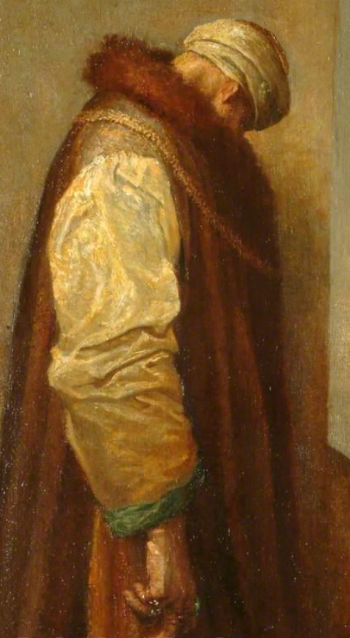
Matthew 19:16–30, Mark 10:17–31, and Luke 18:18–30
“Behold!” Matthew begins (KJV), as if to say, “Now here is a story truly worth telling!”
The man who approaches Jesus is described as young (Matthew), yet already a ruler (Luke), which, in light of John 3:1, likely means he was a member of the Jewish Sanhedrin, not merely a ruler of a synagogue (which would likely have been specified if so). This detail speaks volumes about him: for someone so young to be appointed to such a respected body of wise and experienced leaders, he must have been a man of outstanding ability and exceptional character.
And indeed, his character was remarkable. He was willing to humble himself and seek guidance from Jesus of Nazareth, a controversial figure, and even ran to catch up with Jesus as he was about to continue on his journey (Mark). His eagerness is unmistakable.
Upon reaching Jesus, he knelt before Him (Mark) and asked with deep sincerity:
"Good Teacher" (Mark, Luke), "what good thing" (Matthew) "must I do to inherit eternal life?" (Luke 10:25).
This question reveals his earnestness, and his worldview.
Here stands an example of the finest kind of devout Jew (@dak), one who genuinely sought to attain righteousness through the works of the law (Romans 9:31–32).
Romans 9:31–32 but that Israel who pursued a law that would lead to righteousness did not succeed in reaching that law. 32 Why? Because they did not pursue it by faith (Abraham!), but as if it were based on works. They have stumbled over the stumbling stone,
It's unlikely he had heard Jesus’ words: “Blessed are the meek, for they shall inherit the earth” (Matthew 5:5), and almost certainly he wasn’t present a short time later when Jesus declared at the prospect of judgment: “Come, you who are blessed by my Father, inherit the kingdom prepared for you from the foundation of the world” (Matthew 25:34).
Neither of these blessings, however, applied to this rich ruler. The first referred to the meek, a term drawn from the Old Testament to describe the lowly, humble, and often overlooked, yet devout individuals within Israel. The second commendation was for those who had lived righteously without even realizing they had done so, people not conscious of their good deeds, but who had acted out of genuine compassion and faith (by promise).
TBC...
“Behold!” Matthew begins (KJV), as if to say, “Now here is a story truly worth telling!”
The man who approaches Jesus is described as young (Matthew), yet already a ruler (Luke), which, in light of John 3:1, likely means he was a member of the Jewish Sanhedrin, not merely a ruler of a synagogue (which would likely have been specified if so). This detail speaks volumes about him: for someone so young to be appointed to such a respected body of wise and experienced leaders, he must have been a man of outstanding ability and exceptional character.
And indeed, his character was remarkable. He was willing to humble himself and seek guidance from Jesus of Nazareth, a controversial figure, and even ran to catch up with Jesus as he was about to continue on his journey (Mark). His eagerness is unmistakable.
Upon reaching Jesus, he knelt before Him (Mark) and asked with deep sincerity:
"Good Teacher" (Mark, Luke), "what good thing" (Matthew) "must I do to inherit eternal life?" (Luke 10:25).
This question reveals his earnestness, and his worldview.
Here stands an example of the finest kind of devout Jew (@dak), one who genuinely sought to attain righteousness through the works of the law (Romans 9:31–32).
Romans 9:31–32 but that Israel who pursued a law that would lead to righteousness did not succeed in reaching that law. 32 Why? Because they did not pursue it by faith (Abraham!), but as if it were based on works. They have stumbled over the stumbling stone,
It's unlikely he had heard Jesus’ words: “Blessed are the meek, for they shall inherit the earth” (Matthew 5:5), and almost certainly he wasn’t present a short time later when Jesus declared at the prospect of judgment: “Come, you who are blessed by my Father, inherit the kingdom prepared for you from the foundation of the world” (Matthew 25:34).
Neither of these blessings, however, applied to this rich ruler. The first referred to the meek, a term drawn from the Old Testament to describe the lowly, humble, and often overlooked, yet devout individuals within Israel. The second commendation was for those who had lived righteously without even realizing they had done so, people not conscious of their good deeds, but who had acted out of genuine compassion and faith (by promise).
TBC...