


Its absolutely fine to be able to quote and read scripture, but the problem lies in not having understanding of the scriptures.
I absolutely agree with you. It seems that many people's understanding is based upon the understanding of the translators, whereas my understanding is based on looking at whether or not the translators have accurately translated the context of the available original text that are available to us.
In Acts 7 Stephan in his defence stated that Abraham had no portion of the promised land upon which he could rest his feet while he lived, which the members of the Sanhedrin did not dispute. However, our translations of Genesis 13:14-17, which we rely upon for our understanding, wrongly tell us that God gave to Abraham, the Land that Abraham had seen and walked upon. Below is what I understand the context of this portion of the Hebrew text conveys to us.
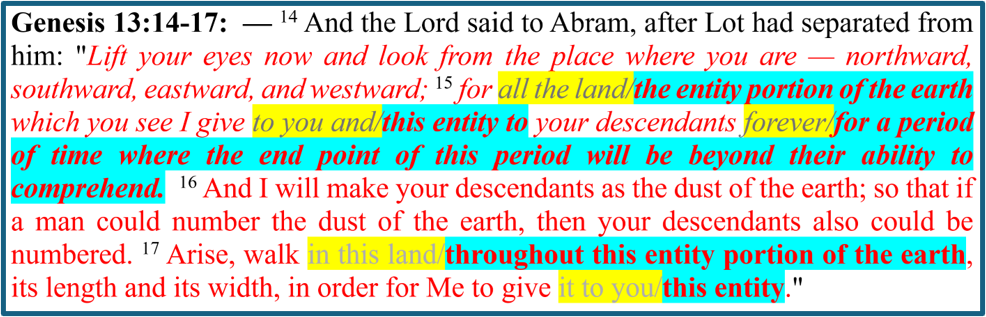
Now I have highlighted the translated text which I disagree with in yellow highlight and replaced that text with my paraphrased words highlighted in blue. I did this because I spent much time checking the translinear texts before I have settled upon how I would actually paraphrase my altered translations.
Here is the interlinear for verses 15-16 from above: -
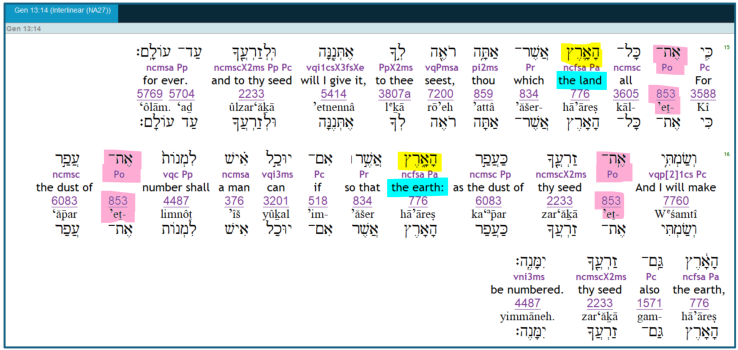
Please not the Hebrew word highlighted in yellow and how it has been translated differently and highlighted in blue. It is my view that both occurrences in the above interlinear of these two verses should be the same, i.e. "earth".
Next consider the Hebrew words highlighted in pink. The Hebrew root word,H:853, has the following meaning: -
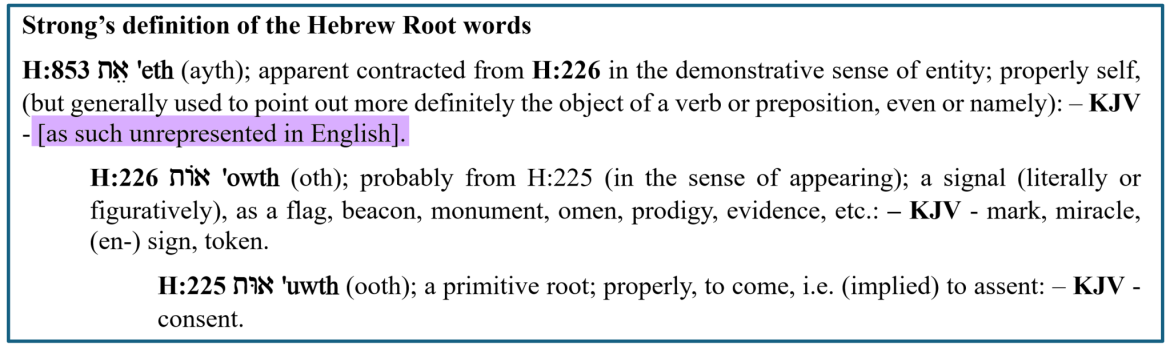
Please note that the translators way back decided that this Hebrew word which has the sense of "entity portion" was not translated at all because they have said this concept is "un-represents in English." However, today, our understanding of the word entity {portion} is better understood in this present time and is more in keeping with its usage in the Hebrew text. As such I have inserted the words "entity portion" into my version of the English translation for these verses.
Now I believe that my reading of the Hebrew text provides a far better understanding of God's intent of His giving a particular portion of the earth as a possession for a set time where the end point of that time period would be beyond their understanding. It should be noted that it was not until Israel crossed the Jordan River that God started to fulfil the portion of the covenant to the descendants of Israel and that all of the described area of this promise became a possession of Israel during the time of King David and King Solomon, but was lost after the death of King Solomon. This end point for this promise was not conceived as possible until the majority of the promised land was actually lost except for the portion of the Land of Canaan which was promised in Genesis 17:1-8 and was not lost until God began scattering all of Israel to the four corners of the earth in 70 AD.
Few people today take the time to verify the contextual accuracy of our favourite translation. They may read the translations, but their understanding of God intentions as embedded in the original Hebrew record is generally hidden from them until they meditate more deeply upon the Original Texts.
Shalom


