What a Modern Christian Needs to Understand to Tackle Today's Challenges

  • Welcome to Christian Forums, a Christian Forum that recognizes that all Christians are a work in progress.

    You will need to register to be able to join in fellowship with Christians all over the world.

    We hope to see you as a part of our community soon and God Bless!

Chrysostomos

Well-Known Member
Apr 5, 2025
864
309
63
Kiev
Faith
Christian
Country
Ukraine
1. Science and Its Relationship to Faith

To grasp issues like the Big Bang, abiogenesis, evolution, and the age of the Earth, a Christian should be familiar with several scientific fields.
Here's a list of the key disciplines:

Astronomy and Astrophysics: Exploring the origins of the universe, stars, galaxies, and cosmological models (e.g., the Big Bang theory, dark matter, dark energy).
Physics: Quantum mechanics, relativity, thermodynamics—to understand the fundamental laws of nature.
Chemistry and Biochemistry: Processes behind molecule formation, the origin of life, and the chemical makeup of DNA and proteins.
Geology: Stratigraphy, paleontology, plate tectonics—for analyzing Earth's age, fossils, and geological layers.
Paleontology: Studying fossil remains to comprehend evolutionary processes and the history of life on Earth.
Anthropology: Physical and cultural anthropology to examine human origins, behavior, and cultures.
Archaeology: Excavations, artifacts, dating methods (like radiocarbon analysis) to verify or challenge biblical events.
Genetics: DNA analysis and comparative genomics to study species evolution and human origins.
Climatology and Ecology: To understand environmental changes and their ties to biblical narratives (e.g., the flood).

These fields equip Christians to critically evaluate scientific theories, find common ground with biblical worldviews, and counter or affirm skeptics' arguments.

2. Biblical Studies and Sacred Texts

Textual Criticism
: Examining biblical manuscripts (e.g., the Masoretic Text, Septuagint, Vulgate) to assess their authenticity and variations.
Exegesis: The art of interpreting the Bible, including historical-grammatical, allegorical, and typological approaches.
Hermeneutics: Principles for interpreting sacred texts in their cultural, linguistic, and historical contexts.
Canonics: Understanding why certain books made it into the canon while others didn't (e.g., apocrypha).
Historical Criticism: Analyzing the historical backdrop of biblical events (e.g., Babylonian captivity, Roman occupation).
Linguistics: Knowledge of ancient languages—Hebrew, Aramaic, Koine Greek—to read original texts.

3. Theology and Church History

Systematic Theology
: Studying God, Christ, the Holy Spirit, salvation, eschatology, anthropology (human nature), and more.
Historical Theology: The evolution of Christian doctrines from the apostles to today.
Eschatology: Examining end times, prophecies (from Revelation, Daniel, Ezekiel), and interpretations (premillennialism, postmillennialism, amillennialism).
Patristics: Exploring the works of early church fathers (Augustine, Thomas Aquinas, Irenaeus of Lyons, etc.).
History of Councils: Nicaea, Chalcedon, Constantinople, and others—their decisions, dogmas, and battles against heresies.
Canon Law: Church laws, statutes, and rules for clergy and laity.

4. Apologetics and Polemics

This is crucial for defending the faith:

Apologetics: Arguing in favor of Christianity (e.g., evidence for Christ's resurrection, the Bible's reliability).
Polemics: Knowing opponents' arguments (from atheists, agnostics, other religions) and how to respond.
Studying Heresies: Arianism, Gnosticism, Pelagianism, modernism, and modern sects (e.g., Mormons, Jehovah's Witnesses).
Philosophy: Familiarity with ancient (Plato, Aristotle), medieval (Thomas Aquinas), and modern philosophy (Kierkegaard, Nietzsche, Sartre) for engaging the secular world.

5. Comparative Religion

To highlight Christianity's distinctiveness from other faiths, study:

Islam: The Quran, hadiths, sharia, Muhammad's history.
Buddhism: Buddha's teachings, Zen, Tibetan Buddhism, karma, and reincarnation.
Judaism: Torah, Talmud, Kabbalah, Israel's history.
Hinduism: Vedas, Upanishads, castes, yoga.
New Religious Movements: New Age, Satanism, occultism, esotericism.


6. Liturgy and Church Practice

Rituals, traditions, and holidays. This includes:

Liturgy: The structure of worship services, their symbolism, and the development of liturgical traditions (Byzantine, Roman, Coptic, etc.).
Hymnology: Studying church hymns and their theological significance.
Iconography: The symbolism of icons, their role in worship and history.
Calendar: Fasts, feasts (Christmas, Easter, Trinity), their historical and theological meaning.

7. Contemporary Challenges and Cultural Context

To stay relevant in today's world, Christians also need to grasp:

Ethics and Bioethics: Issues like abortion, euthanasia, genetic engineering, AI, and transhumanism.
Sociology and Psychology: The impact of culture, secularism, and postmodernism on faith.
Media and Technology: Using social media, films, and books to spread faith and combat misinformation.
Political Science: The interplay of religion and state, secular ideologies (liberalism, communism, fascism).

8. Personal Spiritual Growth

Beyond intellectual knowledge, it's essential to cultivate:

Spiritual Discipline: Prayer, fasting, Scripture reading, participation in sacraments.
Pastoral Theology: Supporting people, answering their questions, helping in crises.
Missiology: Strategies for spreading Christianity in the modern world.

This list is impressive, but it's far from exhaustive. A modern Christian aiming to address all contemporary challenges must be a versatile explorer: a scientist, theologian, historian, philosopher, and pastor all in one. However, it's crucial to remember that no one can know everything. It's impossible to be an expert in all areas at once. But critics of Christianity don't need to be experts in everything—just in one.

Critics, especially those opposing Christianity (atheists, skeptics, adherents of other worldviews), often zero in on one or two areas where they see vulnerabilities.

This could be:
Science: For instance, evolution, Earth's age, or the Big Bang. Critics might claim scientific data contradicts the Bible, expecting the Christian to falter in response.

History: Questions about the Bible's authenticity, archaeological evidence, or historical events (e.g., Jesus' or Noah's existence).
Morality and Ethics: Accusations that the Bible endorses outdated or immoral ideas (e.g., slavery, violence in the Old Testament).

Logic and Philosophy: Arguments like the "problem of evil" (if God is good, why does evil exist?) or "Can God create a stone He can't lift?"

Their strategy is straightforward: Dive deep into one field, find a weak spot, and use it to undermine the entire belief system. They don't need to know it all—just more than their opponent in that niche.
 

Chrysostomos

Well-Known Member
Apr 5, 2025
864
309
63
Kiev
Faith
Christian
Country
Ukraine
Why Doesn't the Average Person Want to Know All This?
In everyday life and survival in the modern world, the average person doesn't need deep knowledge in all these complex areas—science, theology, history, philosophy, and so on. For most, being an expert in their professional field is enough to handle work, provide for themselves and their family, and engage in society at a basic level. The typical person has a job, family, and other responsibilities. Studying intricate disciplines takes time that simply isn't available.

Challenges for Christians in Dialogues with Critics

Most people rely on experts when facing questions beyond their expertise. But with Christianity, that doesn't always work.
Critics of Christianity often employ a tactic: demanding personal responses without referencing authorities or specialists. This puts the opponent in a spot where they must either admit ignorance or pretend to be an expert, but it's unrealistic to be an expert in everything.

Why Do Critics Use This Tactic?

Critics who insist that a Christian answer "for themselves" without citing others have several goals:

Building Pressure: They want to force the Christian to instantly show deep knowledge across all fields, which is impossible. This can make them feel insecure or incompetent.

Undermining Authorities: Skeptics often view relying on experts as a weakness, not a strength. They prefer responses to be "subjective" or "personal" so they can easily dismiss them.

Personal Accountability: They might argue that faith should be entirely individual and rational, without leaning on tradition, the church, or experts. This ignores that no one lives in a vacuum—we all depend on others' knowledge.

This approach is unfair because it creates double standards: The critic can specialize in one area and cite scientific data or philosophical arguments, but demands absolute self-reliance from the Christian.

Has Christianity Become "Too Complicated"?

Information Overload
: The modern world bombards us with vast amounts of data—scientific theories, historical debates, philosophical arguments, cultural trends. For the average person with a job, family, and other duties, sorting through it all can feel overwhelming.

Conflict Between Science and Faith: Many Christians sense opposition between science (e.g., evolution, cosmology) and faith, though that's not always the case. Critics amplify this by claiming faith is "outdated" or "irrelevant" in the modern era.

Skepticism and Criticism: Critics pose tough questions, demanding immediate and comprehensive answers. This creates pressure, especially if someone doesn't feel prepared.

Divisions Within Christianity: Different denominations, Bible interpretations (young Earth vs. old Earth, literal vs. allegorical) can confuse believers and make them feel there's no unity even within the faith.

Cultural Pressure
: Secular society often pushes the narrative that religion is a relic of the past, with rationality and science as the only path to truth. This can make Christians feel their faith is obsolete or irrelevant.

Complexity of Theological and Apologetic Debates: Even simple questions like "Why does God allow evil?" or "How does the Bible align with archaeology?" can require deep knowledge that seems inaccessible to the average person.
 

Chrysostomos

Well-Known Member
Apr 5, 2025
864
309
63
Kiev
Faith
Christian
Country
Ukraine
Why Do Many Choose to "Steer Clear"?

For most people, it's easier to avoid complex debates than dive in. Here are a few reasons:

Energy Conservation: Life is already full of stresses—work, finances, health, relationships. Adding theological or philosophical battles feels unnecessary.
Fear of Being Wrong: Many worry that digging deeper might reveal their faith "doesn't hold up" to scrutiny or that they can't answer questions adequately.
Pragmatism: For some, faith is a personal matter, and they see no need to defend it publicly or engage in arguments.

Why Do These Insights Seem Useless in Daily Life?

For everyday living and improving quality of life right now, deep knowledge in theology, apologetics, science, or history—as discussed—can seem irrelevant or secondary. Meanwhile, there are plenty of practical resources on skill-building, earning money, self-improvement, psychology, physical health, and biohacking that directly address pressing issues and enhance life. Let's explore how this relates to Christian faith and why focusing on these areas is perfectly justified.

No Direct Application: Knowledge about the Big Bang, evolution, biblical archaeology, or council dogmas rarely comes up in daily situations—at work, with family, or handling finances.

Urgency of Other Needs: When someone needs to make money, boost health, or manage stress, faith and theology questions often take a back seat. That's normal—human needs are hierarchical, with basics (finances, health) often prioritized.

Sense of Abstraction: Many view religious or philosophical discussions as "theoretical," while practical skills (e.g., time management or investing) yield immediate results.

Why Are Practical Skills Valuable and In Demand?

Key areas that help improve life "here and now":
Skill Enhancement: Being marketable in the job market directly affects financial stability and future confidence.
Earning Money: Financial literacy, entrepreneurship, and investing enable people to care for themselves and loved ones.
Self-Development: Skills in time management, goal-setting, and personal efficiency make life more productive.
Psychology: Understanding emotions, thoughts, and relationships helps tackle mental health challenges.
Physical Health and Biohacking: Exercise, nutrition, sleep, and energy optimization directly impact quality of life.

These fields provide tools for solving specific problems, and their value is hard to overstate. They focus on measurable, short-term improvements, making them appealing to modern people.
 

amigo de christo

Well-Known Member
Sep 12, 2020
37,025
60,720
113
54
San angelo
Faith
Christian
Country
United States
Gender
Male
i dont need to learn of man to be able to witness of GOD , of HIS CHRIST .
what a modern christain needs to understand
Is what the apostels and every true sheep throughout all ages has come to understand .
THAT WE NEED GOD , HIS CHRIST , THE SUPPLY OF HIS SPIRIT . And get INTO that BIBLE to learn .
GOD is with the sheep .
AND BELIEVE ME , HE ALREADY KNOWS what one needs to hear .
Preach JESUS THE CHRIST , foolishness to the wise greeks
a stumbling block to the unbelieving jews
BUT THE POWER OF GOD UNTO SALVATION unto those who believe.
I dont need to know science to witness to one in science
any more than i need to learn about buddism to witness to a buddist
or ISLAM to witness to a muslim .
ALL I NEED IS GOD , HIS CHRIST and he will give me words to speak . whether they hear or whether they forbear .
 

Chrysostomos

Well-Known Member
Apr 5, 2025
864
309
63
Kiev
Faith
Christian
Country
Ukraine
Modern Christians Are Caught in a Trap

Today's challenges to Christianity can lead believers to forget about the individual and focus solely on defending the faith from attacks. Let's break down why this happens.

1. Aggressive Criticism and Pressure: As we've discussed, skeptics, atheists, and secular ideologies often assail Christianity on scientific, historical, or moral grounds. This creates a sense that faith is constantly under siege, prompting Christians to "defend" it even if they'd rather not.
2. Cultural Expectation of Rationality: Modern culture prizes rationality, evidence, and logic. Christians may feel that to be "worthy" in society's eyes, they must constantly prove their case, shifting focus to arguments rather than living.
3. Loss of Focus on Mission: Jesus called us to love God and neighbor, but in fighting criticism, Christians sometimes overlook the core—people. Instead of addressing their own issues and tasks, they get bogged down in intellectual debates.
4. Fear of Losing Faith or Reputation: Many Christians worry that failing to respond to challenges could undermine their faith or standing with others. This drains energy into apologetics rather than personal growth or helping people.
5. Information Noise: There's an overwhelming amount of data—scientific, philosophical, theological. This can foster a sense that you need to know everything to "survive" as a Christian, distracting from faith's simplicity and self-care.

Christianity Has Been Forced into a Zugzwang
In chess, zugzwang means any move worsens the player's position—even doing nothing. For Christianity, it might look like this:

If Christians engage in apologetics, they risk depleting resources (time, energy, emotions), neglecting family, work, health, and growth. This can cause burnout, guilt, or even faith doubts.

If they ignore apologetics, they might feel they're betraying their faith, missing chances to counter skeptics or pass it on. Critics could cite this as "weakness," leaving believers with fear or shame.

Thus, every choice seems like a loss. This feeling is amplified by cultural pressures, scientific challenges, and internal expectations in Christian communities.
 

Chrysostomos

Well-Known Member
Apr 5, 2025
864
309
63
Kiev
Faith
Christian
Country
Ukraine
i dont need to learn of man to be able to witness of GOD , of HIS CHRIST .
what a modern christain needs to understand
Is what the apostels and every true sheep throughout all ages has come to understand .
THAT WE NEED GOD , HIS CHRIST , THE SUPPLY OF HIS SPIRIT . And get INTO that BIBLE to learn .
GOD is with the sheep .
AND BELIEVE ME , HE ALREADY KNOWS what one needs to hear .
Preach JESUS THE CHRIST , foolishness to the wise greeks
a stumbling block to the unbelieving jews
BUT THE POWER OF GOD UNTO SALVATION unto those who believe.
I dont need to know science to witness to one in science
any more than i need to learn about buddism to witness to a buddist
or ISLAM to witness to a muslim .
ALL I NEED IS GOD , HIS CHRIST and he will give me words to speak . whether they hear or whether they forbear .
By the way, I forgot to mention your favorite topic—the dangers of ecumenism.
Could you repeat here what makes ecumenism dangerous?
 

amigo de christo

Well-Known Member
Sep 12, 2020
37,025
60,720
113
54
San angelo
Faith
Christian
Country
United States
Gender
Male
By the way, I forgot to mention your favorite topic—the dangers of ecumenism.
Could you repeat here what makes ecumenism dangerous?
I could write all day exposing all the errors in that mess .
Its unity is false , its love is false , its finding common ground is false
THE LIE is IN IT and it too merges us with even the false religoins .
I mean we do realize
that satan can also use words like , love , unity , and etc
BUT his ecumincal whores , as do he , twist this in order to fit a lie .
It aint looking good at all my friend .
NOW tell me WHAT DO YOU THINK IS GOOD about it .
cause though hand joins in hand THE WICKED shall not go unpunished .
Oh wait maybe its the idea of this world peace n safety it preaches
WITH AND BY ITS CHRIST DENYING LIE . OH yeah i seen what them wolves in wool did
as they held hands with buddists , muslims , and etc
ALL saying we serve the same GOD . talk about ANTI CHRIST . yeah , ITS NO GOOD
and always remember the leaven always starts small . but the longer one is left in it
THE worse they get and the more darkness they see as light . NOT looking good .
Thanks for asking .
 
  • Like
Reactions: Marvelloustime

Chrysostomos

Well-Known Member
Apr 5, 2025
864
309
63
Kiev
Faith
Christian
Country
Ukraine
I could write all day exposing all the errors in that mess .
Its unity is false , its love is false , its finding common ground is false
THE LIE is IN IT and it too merges us with even the false religoins .
I mean we do realize
that satan can also use words like , love , unity , and etc
BUT his ecumincal whores , as do he , twist this in order to fit a lie .
It aint looking good at all my friend .
NOW tell me WHAT DO YOU THINK IS GOOD about it .
cause though hand joins in hand THE WICKED shall not go unpunished .
Oh wait maybe its the idea of this world peace n safety it preaches
WITH AND BY ITS CHRIST DENYING LIE . OH yeah i seen what them wolves in wool did
as they held hands with buddists , muslims , and etc
ALL saying we serve the same GOD . talk about ANTI CHRIST . yeah , ITS NO GOOD
and always remember the leaven always starts small . but the longer one is left in it
THE worse they get and the more darkness they see as light . NOT looking good .
Thanks for asking .
So, you’re well-versed in comparative religion?
 

amigo de christo

Well-Known Member
Sep 12, 2020
37,025
60,720
113
54
San angelo
Faith
Christian
Country
United States
Gender
Male
So, you’re well-versed in comparative religion?
What on earth is comparative religoin .
Does that mean comparing religoin to religoin .
IF SO
I DONT need to learn anything from any othe religoin
IN ORDER to be able to speak TRUTH to said religoin .
HERE is who i have TO TRUST IN to GIVE ME WORDS to speak .
GOD ALL MIGHTY , CHRIST JESUS
who even told us WORRY not what you shall say or speak , dont even premeditate
FOR THE SPIRIT shall G IVE YOU words .
NOW THAT IS WHO I TRUST IN . How about you .
I dont have to run to learn the koran or anything about buddism or taoism
or etc ism .
I JUST HAVE TO RUN TOO and TRUST IN GOD who WILL GIVE ME WORDS to speak .
NOW that is k nown as TRUSTING NOT in my own carnal intellect
BUT ONLY IN GOD . lets learn that shall we . Lets bible up again and be encouraged by THE TRUTH .
PRAISE BE TO THE GLORIOUS GOD ALLMIGHTY FATHER OF OUR LORD and SAVOIR CHRIST JESUS .
 
  • Like
Reactions: Marvelloustime

Chrysostomos

Well-Known Member
Apr 5, 2025
864
309
63
Kiev
Faith
Christian
Country
Ukraine
What on earth is comparative religoin .
Does that mean comparing religoin to religoin .
IF SO
I DONT need to learn anything from any othe religoin
IN ORDER to be able to speak TRUTH to said religoin .
HERE is who i have TO TRUST IN to GIVE ME WORDS to speak .
GOD ALL MIGHTY , CHRIST JESUS
who even told us WORRY not what you shall say or speak , dont even premeditate
FOR THE SPIRIT shall G IVE YOU words .
NOW THAT IS WHO I TRUST IN . How about you .
I dont have to run to learn the koran or anything about buddism or taoism
or etc ism .
I JUST HAVE TO RUN TOO and TRUST IN GOD who WILL GIVE ME WORDS to speak .
NOW that is k nown as TRUSTING NOT in my own carnal intellect
BUT ONLY IN GOD . lets learn that shall we . Lets bible up again and be encouraged by THE TRUTH .
PRAISE BE TO THE GLORIOUS GOD ALLMIGHTY FATHER OF OUR LORD and SAVOIR CHRIST JESUS .
Are you well-versed in Textual Criticism, Exegesis, Hermeneutics, Canonics, and Historical Criticism?
 

soberxp

Well-Known Member
Mar 6, 2025
2,631
907
113
43
Xi'an
m.youtube.com
Faith
Christian
Country
China
Gender
Male
.

5. Comparative Religion

To highlight Christianity's distinctiveness from other faiths, study:

Islam: The Quran, hadiths, sharia, Muhammad's history.
Buddhism: Buddha's teachings, Zen, Tibetan Buddhism, karma, and reincarnation.
Judaism: Torah, Talmud, Kabbalah, Israel's history.
Hinduism: Vedas, Upanishads, castes, yoga.
New Religious Movements: New Age, Satanism, occultism, esotericism.

.
You seems do not know the taoism which means the road.

The Chinese translation of the Bible has a strong Taoist flavor. I think so.(in the beginning the road was God.... Things like this.)

Tao(road) follows Nature, (not the nature of man,)(follows the Nature supports life itself,)

People with these beliefs do things in a style similar to Ecclesiastes.


Buddhism v.s Bible

The Bible says God is invisible.

The Buddhism says Buddha is without form.

The Bible says God is merciful.

The Buddhism says Buddha is merciful.

The Bible says The hand of heaven is the hand of the Lord.

The Buddhism says The hand of heaven is good, good, good. (Or kind, kind, kind.)

The Bible says following the will of God not mine.

The Buddhism says forget about the will of mine.(no ego)
 
Last edited:

bdavidc

Well-Known Member
Mar 31, 2025
1,133
1,105
113
67
Charlestown, IN
know-the-bible.com
Faith
Christian
Country
United States
Gender
Male
If Christians engage in apologetics, they risk depleting resources (time, energy, emotions), neglecting family, work, health, and growth. This can cause burnout, guilt, or even faith doubts.

If they ignore apologetics, they might feel they're betraying their faith, missing chances to counter skeptics or pass it on. Critics could cite this as "weakness," leaving believers with fear or shame.

Thus, every choice seems like a loss. This feeling is amplified by cultural pressures, scientific challenges, and internal expectations in Christian communities.
You speak many words, but none of them lead men to Christ. What you’ve written is a cloud without rain, heavy with knowledge, but dry of truth. You dress the wisdom of this world in religious clothing, yet it cannot save a single soul. The gospel is not a philosophy to master but a Person to follow, Jesus Christ, the crucified and risen Lord.

You exalt human intellect above divine revelation. Yet Scripture says, “The wisdom of this world is foolishness with God” ~1 Corinthians 3:19. You heap up man’s disciplines, science, philosophy, councils, criticism, as if the Spirit of God needs the approval of scholars. But “faith comes by hearing, and hearing by the Word of Christ” ~Romans 10:17, not by degrees and dissertations.

You turn the simplicity of the gospel into an academic labyrinth. The apostles were fishermen, not philosophers. They turned the world upside down because they preached Christ, not because they mastered comparative religion. “My speech and my preaching were not with persuasive words of human wisdom, but in demonstration of the Spirit and of power” ~1 Corinthians 2:4.

This long list of yours is a smokescreen, a distraction meant to take the eyes of believers off the Savior and fix them on self-sufficiency and study. It’s the same old serpent’s whisper: “Did God really say?” But the Word of God stands. “All Scripture is God-breathed and profitable… that the man of God may be complete, equipped for every good work” ~2 Timothy 3:16-17.

You’ve replaced the power of the cross with the pride of the classroom. Repent. The Lord doesn’t need your intellect, He calls for your obedience. “Knowledge puffs up, but love builds up” ~1 Corinthians 8:1. Come back to the simplicity of the gospel, for “the foolishness of God is wiser than men” ~1 Corinthians 1:25.

Preach Christ, not credentials. Lift up the Word, not worldly wisdom. Anything that dims the glory of Jesus is deception, and the Lord will tear down every lofty thing raised against the knowledge of God ~2 Corinthians 10:5.
 

soberxp

Well-Known Member
Mar 6, 2025
2,631
907
113
43
Xi'an
m.youtube.com
Faith
Christian
Country
China
Gender
Male
That's the point! A Christian is expected to know everything. Christians are supposed to be walking Wikipedias.
I don't know if you have heard such a statement: God said, "Let it be so," and it was so. The most cutting-edge theory in modern science is that the smallest unit composing all fundamental matter is sound waves, or waves. The words spoken by God are waves, and these waves ultimately form all matter.

Just as a programmer writes programs, finally the language forms three-dimensional images—that is, the games we play.

If you are a 3D modeler, you will find that when modeling a human figure, no matter how you try to model it, you will eventually discover that only by following the true course of the human body can you create an authentic human figure. If you do not do this, the figure you create may look like a human, but it will never be truly authentic.
 

Windmill Charge

Well-Known Member
Dec 16, 2017
3,813
2,336
113
71
England
Faith
Christian
Country
United Kingdom
Gender
Male
" What a Modern Christian Needs to Understand to Tackle Today's Challenges. "

No a Christian doesn't have to know everything, but they do need to know what and why they believe.
This can mean learning about issues that arise in conversation etc.
Any involved Christian will through there reading learn something about the many subjects you list, but they don't have to be experts any more than most non Christians are also not experts in these subjects.


But a wide reading of Web sites like answers in genesis, wintery Knight, reasonable faith to name just three that every Christian should be following.
 
  • Like
Reactions: soberxp

Marvelloustime

Well-Known Member
Sep 15, 2020
7,864
13,067
113
Heaven bound
Faith
Christian
Country
United Kingdom
Gender
Female
What on earth is comparative religoin .
Does that mean comparing religoin to religoin .
IF SO
I DONT need to learn anything from any othe religoin
IN ORDER to be able to speak TRUTH to said religoin .
HERE is who i have TO TRUST IN to GIVE ME WORDS to speak .
GOD ALL MIGHTY , CHRIST JESUS
who even told us WORRY not what you shall say or speak , dont even premeditate
FOR THE SPIRIT shall G IVE YOU words .
NOW THAT IS WHO I TRUST IN . How about you .
I dont have to run to learn the koran or anything about buddism or taoism
or etc ism .
I JUST HAVE TO RUN TOO and TRUST IN GOD who WILL GIVE ME WORDS to speak .
NOW that is k nown as TRUSTING NOT in my own carnal intellect
BUT ONLY IN GOD . lets learn that shall we . Lets bible up again and be encouraged by THE TRUTH .
PRAISE BE TO THE GLORIOUS GOD ALLMIGHTY FATHER OF OUR LORD and SAVOIR CHRIST JESUS .
@amigo de christo
save-image.png
 
  • Love
Reactions: amigo de christo

Chrysostomos

Well-Known Member
Apr 5, 2025
864
309
63
Kiev
Faith
Christian
Country
Ukraine
You speak many words, but none of them lead men to Christ. What you’ve written is a cloud without rain, heavy with knowledge, but dry of truth. You dress the wisdom of this world in religious clothing, yet it cannot save a single soul. The gospel is not a philosophy to master but a Person to follow, Jesus Christ, the crucified and risen Lord.

You exalt human intellect above divine revelation. Yet Scripture says, “The wisdom of this world is foolishness with God” ~1 Corinthians 3:19. You heap up man’s disciplines, science, philosophy, councils, criticism, as if the Spirit of God needs the approval of scholars. But “faith comes by hearing, and hearing by the Word of Christ” ~Romans 10:17, not by degrees and dissertations.

You turn the simplicity of the gospel into an academic labyrinth. The apostles were fishermen, not philosophers. They turned the world upside down because they preached Christ, not because they mastered comparative religion. “My speech and my preaching were not with persuasive words of human wisdom, but in demonstration of the Spirit and of power” ~1 Corinthians 2:4.

This long list of yours is a smokescreen, a distraction meant to take the eyes of believers off the Savior and fix them on self-sufficiency and study. It’s the same old serpent’s whisper: “Did God really say?” But the Word of God stands. “All Scripture is God-breathed and profitable… that the man of God may be complete, equipped for every good work” ~2 Timothy 3:16-17.

You’ve replaced the power of the cross with the pride of the classroom. Repent. The Lord doesn’t need your intellect, He calls for your obedience. “Knowledge puffs up, but love builds up” ~1 Corinthians 8:1. Come back to the simplicity of the gospel, for “the foolishness of God is wiser than men” ~1 Corinthians 1:25.

Preach Christ, not credentials. Lift up the Word, not worldly wisdom. Anything that dims the glory of Jesus is deception, and the Lord will tear down every lofty thing raised against the knowledge of God ~2 Corinthians 10:5.
Why Can't Christians "Drop" Apologetics?
A dilemma many Christians face: On one hand, they feel pressured not to abandon apologetics (defending the faith) due to modern challenges and criticism; on the other, they lack the time and resources to handle daily problems and tasks alongside it.

Sense of Duty: Many see defending faith as their responsibility, especially if they witness skepticism, secularism, or false teachings affecting others. The Bible urges being "always prepared to give an answer" (1 Peter 3:15), which some interpret as a call to apologetics.
Cultural Pressure: In a world where science, atheism, and postmodernism dominate discourse, Christians may feel that without defending their faith, it'll be seen as irrelevant or outdated.
Concern for Others: Some view apologetics as a way to help doubters or non-believers find God. They fear neglecting it would let down those needing answers.
Fear of Losing Influence: If Christians skip intellectual and cultural debates, they might feel their voice gets ignored, marginalizing the faith.

Why Is There No Time for Apologetics?
Modern life is packed with demands: work, family, finances, health, self-improvement. Adding apologetics can make it feel like time and energy are stretched too thin. Here are some reasons:

Limited Resources: Most people have just 24 hours a day, much of it spent on sleep, work, and essentials. Apologetics demands reading, study, and reflection, which can seem like a luxury when bills need paying or kids need care.
Competing Priorities: "Here and now" issues (health, finances, relationships) often feel more urgent than abstract faith questions or defending against critics.
Emotional Burnout: The constant need to "defend" can lead to exhaustion, especially if efforts seem fruitless.
 

Chrysostomos

Well-Known Member
Apr 5, 2025
864
309
63
Kiev
Faith
Christian
Country
Ukraine
I don't know if you have heard such a statement: God said, "Let it be so," and it was so. The most cutting-edge theory in modern science is that the smallest unit composing all fundamental matter is sound waves, or waves. The words spoken by God are waves, and these waves ultimately form all matter.

Just as a programmer writes programs, finally the language forms three-dimensional images—that is, the games we play.

If you are a 3D modeler, you will find that when modeling a human figure, no matter how you try to model it, you will eventually discover that only by following the true course of the human body can you create an authentic human figure. If you do not do this, the figure you create may look like a human, but it will never be truly authentic.
You’re talking about physical phenomena, but do you have a degree in physics? Picture an atheist and a Christian debating the creation of the universe on a train. The atheist asks, “Do you have a PhD in physics?” Suppose the Christian has a humanities degree. The atheist then says, “So, you don’t have a degree in physics, chemistry, or astronomy—your opinion isn’t that of an expert, so it doesn’t hold weight.” Then the atheist hits the Christian with a barrage of scientific terms, half of which the Christian doesn’t follow, making them seem out of their depth.

The Christian might point to the work of respected creationist physicists, but the atheist shoots back, “You don’t have a physics degree, so you can’t weigh in on a debate between two physicists. I, however, have a PhD in physics, so I can judge their arguments.” Game over! And it’s like this for nearly every field.
 

soberxp

Well-Known Member
Mar 6, 2025
2,631
907
113
43
Xi'an
m.youtube.com
Faith
Christian
Country
China
Gender
Male
You’re talking about physical phenomena, but do you have a degree in physics? Picture an atheist and a Christian debating the creation of the universe on a train. The atheist asks, “Do you have a PhD in physics?” Suppose the Christian has a humanities degree. The atheist then says, “So, you don’t have a degree in physics, chemistry, or astronomy—your opinion isn’t that of an expert, so it doesn’t hold weight.” Then the atheist hits the Christian with a barrage of scientific terms, half of which the Christian doesn’t follow, making them seem out of their depth.

The Christian might point to the work of respected creationist physicists, but the atheist shoots back, “You don’t have a physics degree, so you can’t weigh in on a debate between two physicists. I, however, have a PhD in physics, so I can judge their arguments.” Game over! And it’s like this for nearly every field.
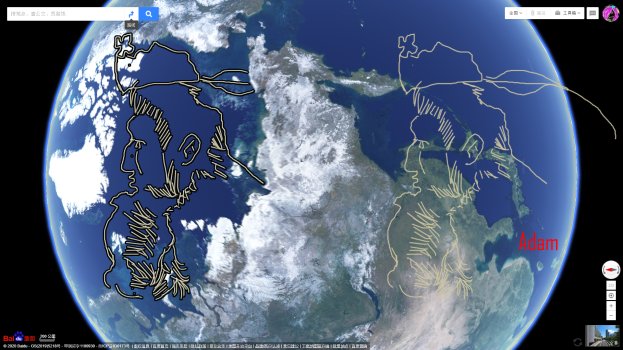
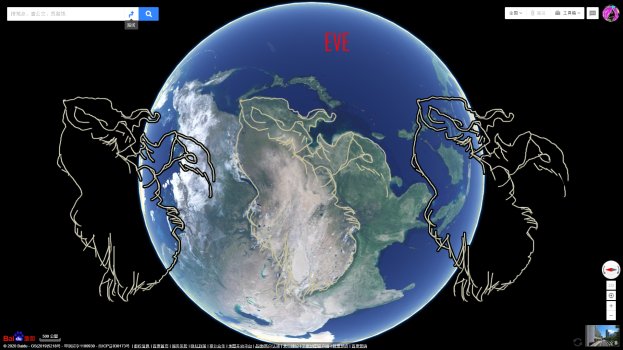
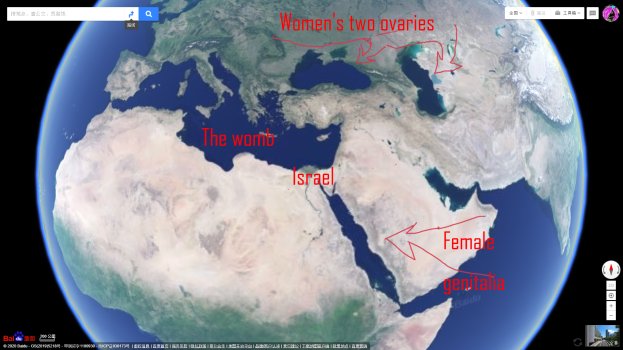
Even if I don't have these degrees, I can search for relevant papers and show them to others. However, the fact is that it is difficult for people to believe things they haven't seen with their own eyes, even if your arguments are reasonable.

People will not give up a belief just because what you say is reasonable. Seeing is believing, while hearing is doubting.

Even if I show them the amazing world map, they still don't believe it.
 

Attachments

  • e-5.jpg
    e-5.jpg
    1.2 MB · Views: 0
  • e-3.jpg
    e-3.jpg
    1.2 MB · Views: 0
  • e-4.jpg
    e-4.jpg
    851 KB · Views: 0
  • e-2.jpg
    e-2.jpg
    851.8 KB · Views: 0
Last edited:

Chrysostomos

Well-Known Member
Apr 5, 2025
864
309
63
Kiev
Faith
Christian
Country
Ukraine
" What a Modern Christian Needs to Understand to Tackle Today's Challenges. "

No a Christian doesn't have to know everything, but they do need to know what and why they believe.
This can mean learning about issues that arise in conversation etc.
Any involved Christian will through there reading learn something about the many subjects you list, but they don't have to be experts any more than most non Christians are also not experts in these subjects.


But a wide reading of Web sites like answers in genesis, wintery Knight, reasonable faith to name just three that every Christian should be following.
The challenge today is that the breadth of knowledge required to address modern criticisms of Christianity—spanning science, history, philosophy, theology, and more—has become so vast that no single person can master it all. Each of these disciplines, as outlined in the original post, directly ties into questions about the foundation, reasons, and content of Christian belief. For example, science challenges how we interpret creation, history questions the reliability of biblical accounts, and philosophy probes the logical coherence of our faith.

The problem is that no one, Christian or otherwise, can be an expert in every one of these fields. The “database” of Christian faith—encompassing everything from cosmology to biblical hermeneutics—has grown so expansive that it’s impossible for any individual to fully grasp it all. This creates a vulnerability that critics of Christianity exploit. They don’t need to be experts in everything; they only need to specialize in one narrow area. By finding and targeting a single weak link in a Christian’s understanding, they can cast doubt on the entire framework of their faith.

This tactic aligns with the logical principle of conjunction, where a compound statement is true only if all its parts are true. In logical terms:
True + True = True
True + False = False
False + True = False
False + False = False

This ensures precision in reasoning, as a single false claim renders the entire argument invalid. Critics of Christianity leverage this by homing in on one area—say, evolutionary biology, biblical archaeology, or the problem of evil—where they have specialized knowledge. They don’t need to disprove every Christian claim; they only need to expose one perceived inconsistency or gap in understanding to declare the whole faith “unreliable.”

As a result, a critic who is a specialist in a single field can often “win” a debate against a Christian who isn’t an expert in that specific area. For instance, an atheist with a PhD in physics might challenge a Christian on cosmology, and if the Christian lacks equivalent expertise, they may struggle to respond effectively, even if their overall faith is well-grounded. This doesn’t mean their faith is wrong, but it highlights the unfair dynamic: the critic only needs to know one thing deeply, while the Christian is expected to know everything to defend their beliefs comprehensively.