@shepherdsword ... more info for study and reproof..
Here's a starter intro to the subject that you are arguing about that I just rigged up. It is a serious subject.
-------------------------------------------
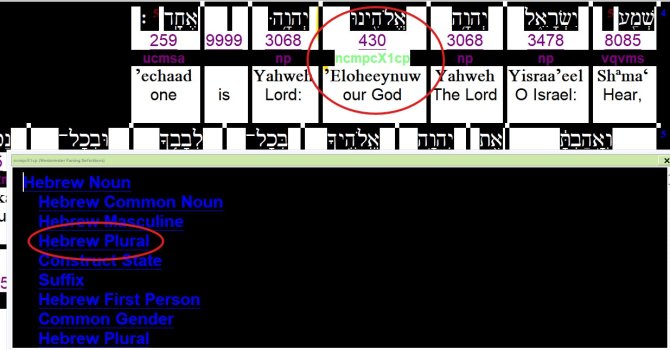
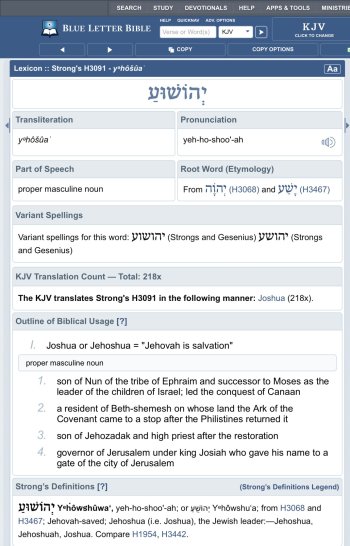
The Greek language does not have a direct equivalent for the Hebrew Tetragrammaton YHWH, which is the personal name of God in the Old Testament.
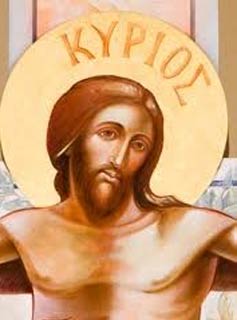
As a result, early Greek translators of the Hebrew Scriptures, particularly in the Septuagint (LXX), rendered YHWH primarily with the Greek word κύριος (kyrios), meaning "lord" or "master".
This single Greek term was used to translate multiple Hebrew concepts, including both the divine name YHWH and the more general term אָדוֹן (adonai), meaning "lord" or "master".
This linguistic convergence or adaptation into scripture creates much ambiguity and confusion (as I notice on this site), as κύριος can refer to God, a human lord, or even Jesus Christ in the New Testament.
This lack of distinction in Greek has led to interpretive challenges in Scripture, to say the least,
particularly when the New Testament quotes the Old Testament. Since the New Testament was written in Greek, it often reflects the Septuagint's use of κύριος for YHWH, which can obscure whether the reference is to God, the Father or to Yeshua the Christ, especially when the term is applied to Yeshua.
For example, in Psalm 110:1, the phrase "The Lord says to my Lord" uses κύριος twice, but the first refers to God (YHWH) and the second to the Messiah, the Son, a distinction that is not always clear in translation.
This ambiguity is further compounded because the Greek word κύριος was also used to translate the Hebrew word for "master" in human contexts, making it difficult to discern the intended referent without careful contextual analysis.
And here's a couple of sources for some of this text
Dirk Jongkind traces the history of scribal innovations for writing God’s name and explores how these innovations still appear in churches today

tyndalehouse.com
Knowing what the Bible says about the deity of Christ is important on various levels since there are many who deny that the Bible teaches this doctrine in the first place.

www.historicalbiblesociety.org
Jesus showed the utmost reverence for His heavenly Father and esteemed His name above all others, giving it primary importance in the Lord’s prayer. Jesus emphasized that the divine name was both sacred and holy. The Lord’s prayer was to serve as a model prayer, for all of His disciples...

earlychristianbeliefs.org
and I do not vouch for all their contents either.
Hope this helps...