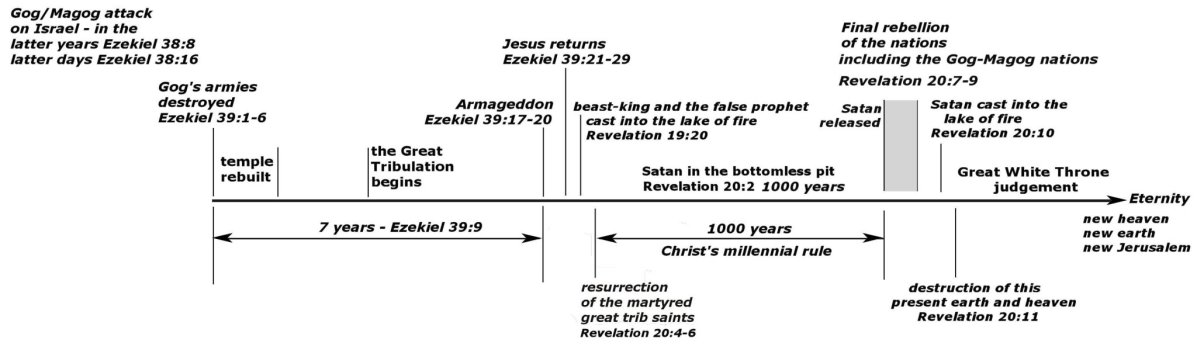
The prophet Jeremiah spoke of a time of great distress that would come upon God’s people, calling it “the time of Jacob’s trouble.” He said, “Alas! For that day is great, so that none is like it; and it is the time of Jacob’s trouble, but he shall be saved out of it” (Jeremiah 30:7). This prophecy looks far beyond the days of ancient Judah. It points to the final time of testing and judgment that will come before the return of the Messiah. God told Jeremiah that the captivity of His people would end and they would return to their land: “I will bring back the captives of My people Israel and Judah… and cause them to return to the land that I gave to their fathers, and they shall possess it” (Jeremiah 30:3). But before that promise of restoration comes, there is a time of deep anguish, when fear and trembling fill the earth. Jeremiah saw men holding their stomachs in pain like a woman in labor, saying, “Every man with his hands on his loins like a woman in labor, and all faces turned pale” (Jeremiah 30:6). This image of birth pains is the same one Jesus later used when He said, “All these are the beginning of sorrows” (Matthew 24:8), showing that both Jeremiah and Jesus spoke about the same final events before God’s kingdom is revealed.
Jesus described this time more fully when He said, “For then there will be great tribulation, such as has not been since the beginning of the world until this time, no, nor ever shall be” (Matthew 24:21). His words echo Jeremiah’s, “none is like it,” proving they speak of the same moment in history. Jeremiah shows this from Israel’s point of view, while Jesus shows it from the view of all nations. During this time of trouble, God allows distress to come not for destruction but for purification. The Lord said, “I will correct you in justice, and will not let you go altogether unpunished” (Jeremiah 30:11). This correction is meant to bring His people back to repentance and faithfulness before the great day of deliverance.
Yet Jeremiah’s message is not one of despair but of hope. God promises that even in the darkest hour, He will not abandon His people. “It is the time of Jacob’s trouble, but he shall be saved out of it” (Jeremiah 30:7). The word “out of it” means deliverance that happens after the suffering, not escape before it. This matches what Jesus said about endurance: “He who endures to the end shall be saved” (Matthew 24:13).
Jeremiah also shows that this salvation will come through the appearance of the promised King, the Son of David: “They shall serve the Lord their God, and David their king, whom I will raise up for them” (Jeremiah 30:9). This is a prophecy of the Messiah who would come to reign over all nations. Jesus, a descendant of David, fulfills this prophecy. When He returns in glory, He will save His people and rule the world in righteousness. He said, “Immediately after the tribulation of those days… they will see the Son of Man coming on the clouds of heaven with power and great glory” (Matthew 24:29–30).
Jeremiah’s vision ends with comfort. God promises peace and safety for those who belong to Him: “I will save you from afar, and your seed from the land of their captivity. Jacob shall return, have rest and be quiet, and no one shall make him afraid” (Jeremiah 30:10). The end of Jacob’s trouble brings the beginning of God’s kingdom on earth. The same event that ends the suffering will also begin the gathering of the faithful, as Jesus said, “He will send His angels with a great sound of a trumpet, and they will gather together His elect from the four winds, from one end of heaven to the other” (Matthew 24:31).
Therefore, the time of Jacob’s trouble is the final great tribulation that comes before the Second Coming of Christ. It is a period of fear and testing, but it ends with deliverance and peace for those who belong to the Lord. When the Messiah appears, the oppressors will fall, the faithful will be freed, and the promise will be fulfilled: “You shall be My people, and I will be your God” (Jeremiah 30:22). The world will move from sorrow to joy, from war to peace, and from captivity to freedom under the reign of the true King. Jacob’s trouble will end in triumph, for the Lord Himself will come to save His people and restore His kingdom forever.
Jesus described this time more fully when He said, “For then there will be great tribulation, such as has not been since the beginning of the world until this time, no, nor ever shall be” (Matthew 24:21). His words echo Jeremiah’s, “none is like it,” proving they speak of the same moment in history. Jeremiah shows this from Israel’s point of view, while Jesus shows it from the view of all nations. During this time of trouble, God allows distress to come not for destruction but for purification. The Lord said, “I will correct you in justice, and will not let you go altogether unpunished” (Jeremiah 30:11). This correction is meant to bring His people back to repentance and faithfulness before the great day of deliverance.
Yet Jeremiah’s message is not one of despair but of hope. God promises that even in the darkest hour, He will not abandon His people. “It is the time of Jacob’s trouble, but he shall be saved out of it” (Jeremiah 30:7). The word “out of it” means deliverance that happens after the suffering, not escape before it. This matches what Jesus said about endurance: “He who endures to the end shall be saved” (Matthew 24:13).
Jeremiah also shows that this salvation will come through the appearance of the promised King, the Son of David: “They shall serve the Lord their God, and David their king, whom I will raise up for them” (Jeremiah 30:9). This is a prophecy of the Messiah who would come to reign over all nations. Jesus, a descendant of David, fulfills this prophecy. When He returns in glory, He will save His people and rule the world in righteousness. He said, “Immediately after the tribulation of those days… they will see the Son of Man coming on the clouds of heaven with power and great glory” (Matthew 24:29–30).
Jeremiah’s vision ends with comfort. God promises peace and safety for those who belong to Him: “I will save you from afar, and your seed from the land of their captivity. Jacob shall return, have rest and be quiet, and no one shall make him afraid” (Jeremiah 30:10). The end of Jacob’s trouble brings the beginning of God’s kingdom on earth. The same event that ends the suffering will also begin the gathering of the faithful, as Jesus said, “He will send His angels with a great sound of a trumpet, and they will gather together His elect from the four winds, from one end of heaven to the other” (Matthew 24:31).
Therefore, the time of Jacob’s trouble is the final great tribulation that comes before the Second Coming of Christ. It is a period of fear and testing, but it ends with deliverance and peace for those who belong to the Lord. When the Messiah appears, the oppressors will fall, the faithful will be freed, and the promise will be fulfilled: “You shall be My people, and I will be your God” (Jeremiah 30:22). The world will move from sorrow to joy, from war to peace, and from captivity to freedom under the reign of the true King. Jacob’s trouble will end in triumph, for the Lord Himself will come to save His people and restore His kingdom forever.