


Ziggy
Well-Known Member
Freedom of Religion is a First Amendment Right in the US Constitution.
There are no laws concerning which religion or religions must be observed.
That would be unconstitutional.
The Idea of Separation of Church and State is not written in the Constitution.
The concept of keeping religion and government separate has deep roots in American history, but the exact phrase “separation of church and state” comes from a specific 1802 letter by Thomas Jefferson.
Jefferson saw an opportunity to make a major public statement. On January 1, 1802, he sent his reply. He affirmed their core belief: “religion is a matter which lies solely between man and his God, that he owes account to none other for his faith or his worship, that the legislative powers of government reach actions only, and not opinions.”
He then connected this principle directly to the Constitution, expressing his “sovereign reverence” for the act of the American people which declared that their legislature should “make no law respecting an establishment of religion, or prohibiting the free exercise thereof, thus building a wall of separation between Church & State.”
It is against the law and unconstitutional for the US Government to impose on anyone any establishment of religion.
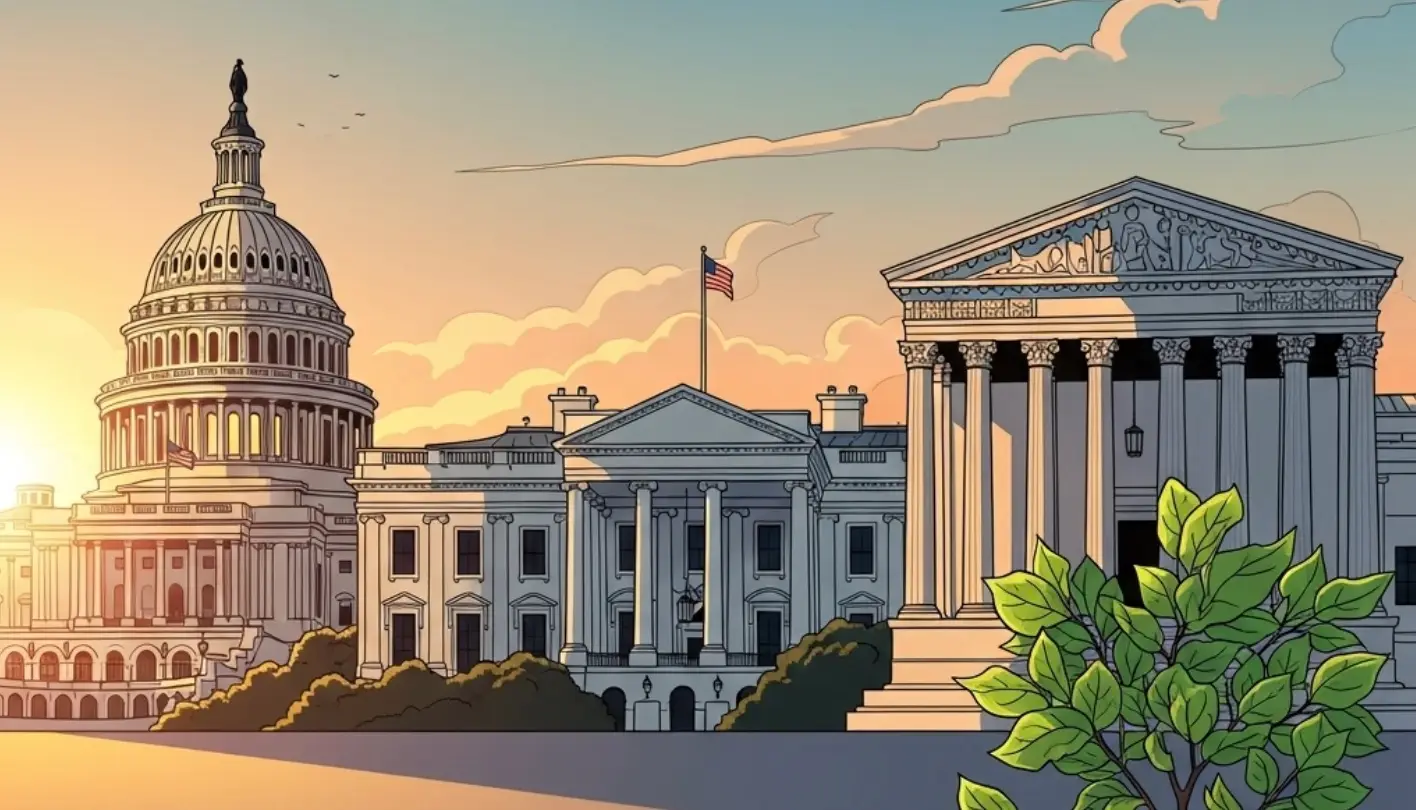
 govfacts.org
This does not prohibit the assembly of people, young or old, exercising their religion.
The question is, does the State have the right to allow or prohibit religious observances in Government establishments such as Public Schools or Libraries, etc.
This can go in another direction as well,
Does a Teacher's Union have the right to pull kids out of classrooms so they can go out and protest?
What are the limitations between States Rights and Individual Rights?
Hugs
There are no laws concerning which religion or religions must be observed.
That would be unconstitutional.
The Idea of Separation of Church and State is not written in the Constitution.
The concept of keeping religion and government separate has deep roots in American history, but the exact phrase “separation of church and state” comes from a specific 1802 letter by Thomas Jefferson.
Jefferson saw an opportunity to make a major public statement. On January 1, 1802, he sent his reply. He affirmed their core belief: “religion is a matter which lies solely between man and his God, that he owes account to none other for his faith or his worship, that the legislative powers of government reach actions only, and not opinions.”
He then connected this principle directly to the Constitution, expressing his “sovereign reverence” for the act of the American people which declared that their legislature should “make no law respecting an establishment of religion, or prohibiting the free exercise thereof, thus building a wall of separation between Church & State.”
It is against the law and unconstitutional for the US Government to impose on anyone any establishment of religion.
Separation of Church and State: How Jefferson's Wall Became Constitutional Law
The phrase “separation of church and state” drives some of America’s most heated political debates. School prayer, religious displays in public spaces, and faith-based hiring practices all spark fierce arguments about where to draw the line between religious freedom and government...
govfacts.org
This does not prohibit the assembly of people, young or old, exercising their religion.
The question is, does the State have the right to allow or prohibit religious observances in Government establishments such as Public Schools or Libraries, etc.
This can go in another direction as well,
Does a Teacher's Union have the right to pull kids out of classrooms so they can go out and protest?
What are the limitations between States Rights and Individual Rights?
Hugs


