Dear Readers,
This is a study series I presented last year, and I’ve been asked to share it again in the coming weeks. I warmly welcome any and all comments along the way.
Acts 9 marks a dramatic turning point in the Book of Acts. The first eight chapters focus primarily on the activities of the apostles and their early converts. Now, Saul of Tarsus, previously mentioned briefly at Stephen’s stoning steps fully into the narrative. Most of the remaining twenty chapters will recount Saul’s conversion and his subsequent missionary journeys.
The theme before us tonight is conversion, but conversion from what, and to what?
And what occurs in that transition? Between what was, and what is yet to come? We may not experience a transformation as dramatic as Saul’s, yet we all undergo transitions of heart and mind.
In the midst of Saul’s enlightenment, he would later reflect on the experience in 2 Corinthians 7:8–10:
“For godly grief produces a repentance that leads to salvation without regret, whereas worldly grief produces death.”
This is no shallow or fleeting sorrow, no Esau-type tears here! Saul’s grief cut to the very core of his being, as he recognized that his sins and actions had been offenses against God and the Lord Jesus Christ. Yet, as the Lord promised, “Blessed are those who mourn, for they shall be comforted.”
Tonight, we will examine Saul both through Luke’s perspective, Luke, his close friend (Colossians 4:14) and through Paul’s own reflections. This dual perspective offers profound insight into the man and magnifies the magnitude of the transformation he underwent, the depth of God-ordained grief that shaped Saul of Tarsus.
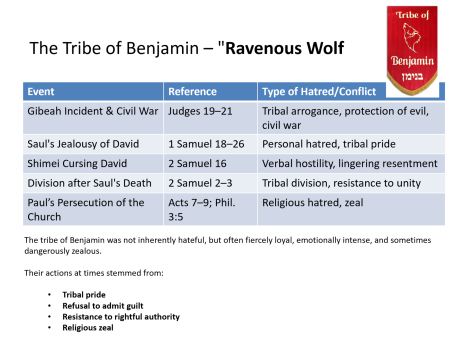
We know Saul was born in Tarsus, from the tribe of Benjamin, a fact he mentions twice, underscoring his family’s devotion to one of the least of Israel’s tribes. He was named after one of his most notable ancestors, King Saul of Gibeah, a man of extremes who, like Saul before his conversion, harbored murderous intent toward one of God’s children.
This is a study series I presented last year, and I’ve been asked to share it again in the coming weeks. I warmly welcome any and all comments along the way.
Acts 9 marks a dramatic turning point in the Book of Acts. The first eight chapters focus primarily on the activities of the apostles and their early converts. Now, Saul of Tarsus, previously mentioned briefly at Stephen’s stoning steps fully into the narrative. Most of the remaining twenty chapters will recount Saul’s conversion and his subsequent missionary journeys.
The theme before us tonight is conversion, but conversion from what, and to what?
And what occurs in that transition? Between what was, and what is yet to come? We may not experience a transformation as dramatic as Saul’s, yet we all undergo transitions of heart and mind.
In the midst of Saul’s enlightenment, he would later reflect on the experience in 2 Corinthians 7:8–10:
“For godly grief produces a repentance that leads to salvation without regret, whereas worldly grief produces death.”
This is no shallow or fleeting sorrow, no Esau-type tears here! Saul’s grief cut to the very core of his being, as he recognized that his sins and actions had been offenses against God and the Lord Jesus Christ. Yet, as the Lord promised, “Blessed are those who mourn, for they shall be comforted.”
Tonight, we will examine Saul both through Luke’s perspective, Luke, his close friend (Colossians 4:14) and through Paul’s own reflections. This dual perspective offers profound insight into the man and magnifies the magnitude of the transformation he underwent, the depth of God-ordained grief that shaped Saul of Tarsus.
We know Saul was born in Tarsus, from the tribe of Benjamin, a fact he mentions twice, underscoring his family’s devotion to one of the least of Israel’s tribes. He was named after one of his most notable ancestors, King Saul of Gibeah, a man of extremes who, like Saul before his conversion, harbored murderous intent toward one of God’s children.