I agree with all of the above.My view is that the Bible is inspired in main theological and moral points, everything else is a human work. I would even propose various places or books in the Bible have various degrees of inspiration. Which seems quite obvious if one reads the Bible with it in mind. Messianic prophecies are surely of a different importance from (for example) the verses about the firmament with holes in it for rain.
Textual problems with the Bible:
1. Preservation errors - copy errors, different textual families errors
- the Bible you are holding in your hand is a compilation made by various scholars from many various manuscripts; many places differ greatly
- probably the most known problem is that the NT writers used a different OT that differs from the OT in the majority of Bibles
2. The ambiguity of the original languages and texts
- this is not technically an error, but its an imperfection that leads to many errors in translations and interpretations
3. Internal errors and mistakes, in the "original" text
- can be seen when comparing two gospels side by side - inspiration certainly is not a perfect dictation; basically any fundamentalist view of the Bible can be easily debunked by the Bible itself, when comparing two gospels
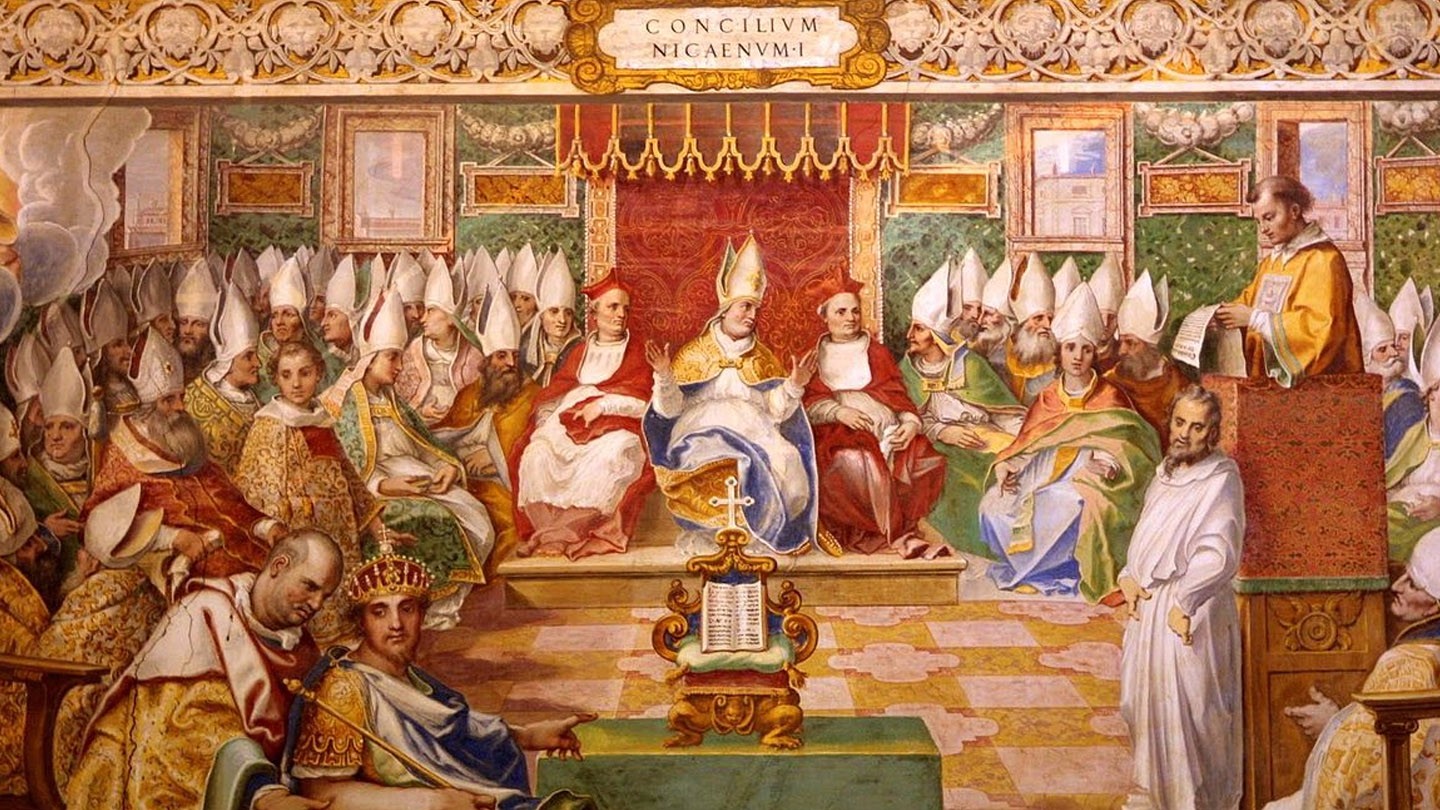
4. Canonical problems - there are no clear rules why some writing should be in the Bible or not, its all more or less based upon what the majority used and what some human authority said
Some believe God actually wrote the bible - very different from having inspired the writings.
1. Re the copy errors, it's my understanding that there are errors but they do not change any theological belief.
2. I see the language as being a problem...as witnessed on this forum when many post reference to Strong's.
A word can have different meanings and we tend to choose the meaning that most confirms our private belief.
(instead of using exegesis and hermeneutics).
3. I don't understand this point.
4. Re the canon....I seem to remember (not sure) that a letter/gospel had to be written by either an Apostle or a first-hand witness. I believe this was the requirement of most importance since I know of 2 writings that almost made it into the NT but did not meet the above requirement. The Didache. The Letter of Barnabas (I forget to whom).