1stCenturyLady
Well-Known Member
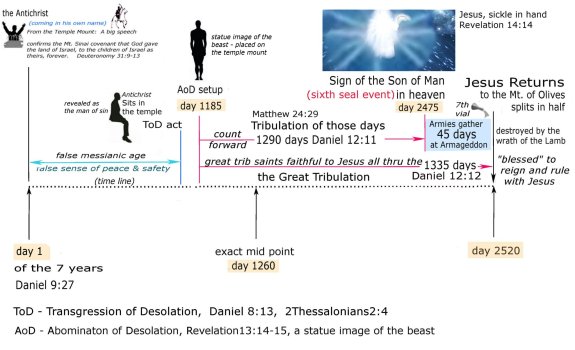
It seems you believe in "Replacement Theology."The term "great tribulation" is generic and is not being used as a proper noun as if THE Great Tribulation is a specific period at the end of history in the Bible. The only biblical use of the term as a Proper Noun refers to the generation in which the Jewish People are exiled and persecuted throughout the NT period, also known as the "Jewish Diaspora." The future period biblically described in the Revelation as a persecution of the saints might be called "the reign of Antichrist."
In Luke 21 Jesus very specifically explained that this "Great Distress" was a Jewish Punishment designed to keep them in exile throughout the current age. It is a period that Jesus certainly indicated would mean suffering for Jewish believers, as well, but for different reasons. Unbelieving Jews and pagan Gentiles both would persecute Jewish believers. And Jewish believers would lose their homeland not because of their own sins but only because they shared the fate brought on by their own unbelieving Jewish brethren.
The church at Philadelphia suffered the risk of tribulation in the same way the Jewish believers did. But they were exempted from it, by circumstance and not by a supposed "Rapture of the Church." In Thyatira, Jezebel and her fellow rebels were to suffer "great tribulation" in the same way rebellious Jews were to suffer under the Romans for their own rebellion.
I'm assuming you were speaking of Revelation 11, and not Romans 11? Rev 11 brings to an end a single large vision--the Scroll vision. It begins with Jesus opening the Scroll and ends with the opening of the last Seal, which involved the blowing of 7 Trumpets.
The 7th Trumpet shows the Kingdom of Chrst coming. The book of Revelation then continues on with more visions describing similar things. The multiple visions of the book of Revelation do not depict a strict chronological sequence, but only a narrative sequence because John has the various things explained to him one after another in a single revelation. The visions overlap each other, describing the same history leading up to the Return of Christ.
But the narrative does build a crescendo, and that kind of language is often mistaken for a chronological sequence. The prophecies of the Bible were not designed to produce speculations about the timing of prophecies. If there was an immediate need, prophecy was urgent. But if prophecy was about the distant future it was to create a current spiritual attitude, aligning with our hope--not elicit prophetic calendars and clever interpretations of apocalyptic symbols.
You misunderstood me. You said, "I'm assuming you were speaking of Revelation 11, and not Romans 11?" I spoke of both. Rev. 11 is about the two witnesses. Who are they? But Romans 11 tells us that when the last Gentile comes into the Church, no more Gentiles will be saved, only national Jews. That is future and why Replacement Theology is a false teaching.