Welcome to Christian Forums, a Christian Forum that recognizes that all Christians are a work in progress.
You will need to register to be able to join in fellowship with Christians all over the world.
We hope to see you as a part of our community soon and God Bless!
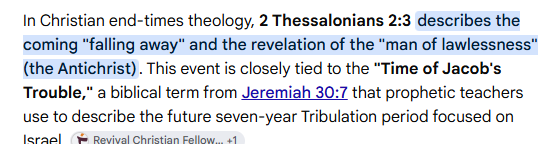
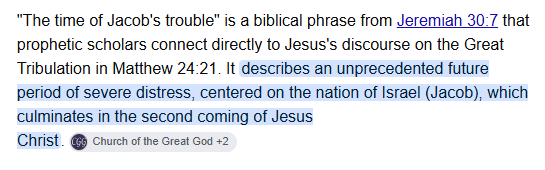
I just realized I typed Daniel 2 instead of Daniel 12.Where does he mention Jacobs trouble? Where does the NT mention Jacobs trouble?
That doesn’t override or even address Daniel showing that there is only one resurrection event.
What does that have to do with Daniel 12 Peter?
We are talking about how Daniel 12 shows one resurrection with two types of people being raised at that one resurrection - the just and the unjust that and they happen at the same time, not 1000 years apart.
Is that one resurrection event the same resurrection event in 1 Thess 4:16-17That doesn’t override or even address Daniel showing that there is only one resurrection event.
Dan 12:1 And at that time shall Michael stand up, the great prince which standeth for the children of thy people: and there shall be a time of trouble, such as never was since there was a nation even to that same time: and at that time thy people shall be delivered, every one that shall be found written in the book.
In the New Testament Matthew 24.
You have nothing. That is the story of this thread. All you have is extra-biblical speculations.and the verses where Daniel teaches about the future 'mystery' as taught by Paul are ?
List away W :)
You promote a doctrine that has zero corroboration. That is why Premils run when they are pressed on biblical support for their theory. I will put your beliefs to the test once more so the reader can see what many of us can:Revelation 20 speaks of two groups of the dead that resurrect/live again.
Rev 20:4 And I saw thrones, and they sat upon them, and judgment was given unto them: and I saw the souls of them that were beheaded for the witness of Jesus, and for the word of God, and which had not worshipped the beast, neither his image, neither had received his mark upon their foreheads, or in their hands; and they lived and reigned with Christ a thousand years.
Rev 20:5 But the rest of the dead lived not again until the thousand years were finished. This is the first resurrection.
Rev 20:6 Blessed and holy is he that hath part in the first resurrection: on such the second death hath no power, but they shall be priests of God and of Christ, and shall reign with him a thousand years.
The first resurrection is the resurrection of this first group of the dead because they resurrect first. The rest of the dead have to wait for their resurrection:
"the rest of the dead lived not again until the thousand years were finished" (Rev 20:5)
This is the last resurrection of those who are dead. One group resurrected and "the rest" or the remaining ones did not resurrect when the others did.
This proves they partake of the second resurrection also known as the last resurrection because no one is still physically dead after they "live again". This also proves without a doubt that there are two separate days of resurrection separated by a thousand years and how long that actually is doesn't matter.
Part of the dead resurrect and then "the rest of the dead" will resurrect after a period of time. That's the dead resurrecting in two parts separated by a period of time.
The first group resurrects before the thousand years begins and the second/last group resurrects after the end of the thousand years.
Dan 12:2 And many of them that sleep in the dust of the earth shall awake, some to everlasting life, and some to shame and everlasting contempt.
First group resurrection: "to everlasting life"
Second group resurrection: "to shame and everlasting contempt"
Joh 5:29 And shall come forth; they that have done good, unto the resurrection of life ; and they that have done evil, unto the resurrection of damnation
First group resurrection: "resurrection of life"
Second group resurrection: "the resurrection of damnation"
Acts 24:15 And have hope toward God, which they themselves also allow, that there shall be a resurrection of the dead, both of the just and unjust.
First group resurrection: "the just"
Second group resurrection: the "unjust"
Take note that in every passage where the resurrection of the saved and unsaved are mentioned that the saved or just is always mentioned first. That's important because it is they that resurrect first! Scripture never deviates from this order. Revelation, John, Daniel and Acts all say the saved first, then the unsaved in that exact order.
Luk 14:12 Then said he also to him that bade him, When thou makest a dinner or a supper, call not thy friends, nor thy brethren, neither thy kinsmen, nor thy rich neighbours; lest they also bid thee again, and a recompence be made thee.
Luk 14:13 But when thou makest a feast, call the poor, the maimed, the lame, the blind:
Luk 14:14 And thou shalt be blessed; for they cannot recompense thee: for thou shalt be recompensed at the resurrection of the just.
He did not say the resurrection of the just and unjust. He said only the just. Again, this is evidence of two separate resurrections. The resurrection of the just is only of the just, no one else.
What we learn from these verses is that there are two resurrections. One resurrection is to life and the other resurrection is to damnation and contempt. Two resurrections! Never is there a single resurrection of both righteous and unrighteous at the same time.
We also see here that the saved/righteous are resurrected first, and at some time later the unsaved are resurrected and judged.
What these verses do not tell us is how much time is inbetween the two. For that we have to go to Revelation 20 where Christ tells John there is a thousand years inbetween. "the rest of the dead lived not again until the thousand years were finished". There we have the dead separated into two groups. One who are saved and will be resurrected and judged first, like Dan 12:2 and Joh 5:29 show, and the other group that has to wait until the thousand years are finished before they are resurrected and judged.

Both groups in Revelation 20 are part of the first resurrection which matches exactly what Daniel says. Taking the thousand years as literal is throwing you off and making you think Daniel 12 is wrong.Revelation 20 speaks of two groups of the dead that resurrect/live again.
Rev 20:4 And I saw thrones, and they sat upon them, and judgment was given unto them: and I saw the souls of them that were beheaded for the witness of Jesus, and for the word of God, and which had not worshipped the beast, neither his image, neither had received his mark upon their foreheads, or in their hands; and they lived and reigned with Christ a thousand years.
Rev 20:5 But the rest of the dead lived not again until the thousand years were finished. This is the first resurrection.
Rev 20:6 Blessed and holy is he that hath part in the first resurrection: on such the second death hath no power, but they shall be priests of God and of Christ, and shall reign with him a thousand years.
The first resurrection is the resurrection of this first group of the dead because they resurrect first. The rest of the dead have to wait for their resurrection:
"the rest of the dead lived not again until the thousand years were finished" (Rev 20:5)
This is the last resurrection of those who are dead. One group resurrected and "the rest" or the remaining ones did not resurrect when the others did.
This proves they partake of the second resurrection also known as the last resurrection because no one is still physically dead after they "live again". This also proves without a doubt that there are two separate days of resurrection separated by a thousand years and how long that actually is doesn't matter.
Part of the dead resurrect and then "the rest of the dead" will resurrect after a period of time. That's the dead resurrecting in two parts separated by a period of time.
The first group resurrects before the thousand years begins and the second/last group resurrects after the end of the thousand years.
Dan 12:2 And many of them that sleep in the dust of the earth shall awake, some to everlasting life, and some to shame and everlasting contempt.
First group resurrection: "to everlasting life"
Second group resurrection: "to shame and everlasting contempt"
Joh 5:29 And shall come forth; they that have done good, unto the resurrection of life ; and they that have done evil, unto the resurrection of damnation
First group resurrection: "resurrection of life"
Second group resurrection: "the resurrection of damnation"
Acts 24:15 And have hope toward God, which they themselves also allow, that there shall be a resurrection of the dead, both of the just and unjust.
First group resurrection: "the just"
Second group resurrection: the "unjust"
Take note that in every passage where the resurrection of the saved and unsaved are mentioned that the saved or just is always mentioned first. That's important because it is they that resurrect first! Scripture never deviates from this order. Revelation, John, Daniel and Acts all say the saved first, then the unsaved in that exact order.
Luk 14:12 Then said he also to him that bade him, When thou makest a dinner or a supper, call not thy friends, nor thy brethren, neither thy kinsmen, nor thy rich neighbours; lest they also bid thee again, and a recompence be made thee.
Luk 14:13 But when thou makest a feast, call the poor, the maimed, the lame, the blind:
Luk 14:14 And thou shalt be blessed; for they cannot recompense thee: for thou shalt be recompensed at the resurrection of the just.
He did not say the resurrection of the just and unjust. He said only the just. Again, this is evidence of two separate resurrections. The resurrection of the just is only of the just, no one else.
What we learn from these verses is that there are two resurrections. One resurrection is to life and the other resurrection is to damnation and contempt. Two resurrections! Never is there a single resurrection of both righteous and unrighteous at the same time.
We also see here that the saved/righteous are resurrected first, and at some time later the unsaved are resurrected and judged.
What these verses do not tell us is how much time is inbetween the two. For that we have to go to Revelation 20 where Christ tells John there is a thousand years inbetween. "the rest of the dead lived not again until the thousand years were finished". There we have the dead separated into two groups. One who are saved and will be resurrected and judged first, like Dan 12:2 and Joh 5:29 show, and the other group that has to wait until the thousand years are finished before they are resurrected and judged.

So far comments & compliments which are wasted on me.You have nothing. That is the story of this thread. All you have is extra-biblical speculations.
No it doesn’t say it doesn’t use that exact phrase in either one but are you suggesting neither of those is Jacob’s trouble?That does not say Jacob's trouble. Where in Matthew 24 does it mention Jacobs trouble?
Jacob’s troubles relates to Jeremiah's day. It is long gone.No it doesn’t say it doesn’t use that exact phrase in either one but are you suggesting neither of those is Jacob’s trouble?
Both groups in Revelation 20 are part of the first resurrection which matches exactly what Daniel says. T
Daniel 12 is not wrong, but your interpretation of it is wrong.aking the thousand years as literal is throwing you off and making you think Daniel 12 is wrong.
I assume you do believe Daniel 12’s account of a single resurrection consisting of the resurrection of the just and the unjust is wrong since it doesn’t fit your view of Revelation 20.
No. Dispensatanists argue that. But they are wrong. That have nothing to support their error.
Yeah I agree and Daniel 12 is long gone.Jacob’s troubles relates to Jeremiah's day. It is long gone.
When did the two resurrections in Daniel take place?You misread it. Rev 20 is clear only those in the first group take part in the first resurrection. The second group is not part of it. It also matches all the examples where two resurrections are discussed.
Daniel 12 is not wrong, but your interpretation of it is wrong.
Daniel 12 has two resurrections as do all the examples I posted. One has to look at all of them to have the proper understanding of these two resurrections.
and thar's your opinionNo. Dispensatanists argue that. But they are wrong. That have nothing to support their error.