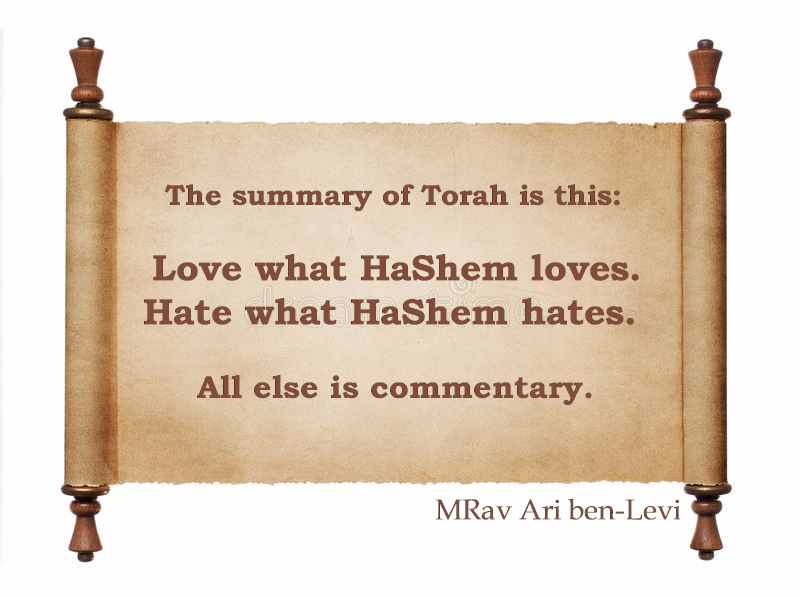
Re-edited for clarity.
(Disclaimer this thread is not something I am arguing for but a friends position that I am arguing against. My Messianic rabbi friend is not alone in this, there are other people who got the same position called Torahists. The Biblical Roots channel that I follow on YouTube covers this topic in depth and the professor of Biblical Studies who hosts it has frequent debates with people espousing this theology.)
As I said on another thread, this to most of us is common sense and basic Biblical literacy, I let Grok take care of most of the work, unlike my favorite projects where Grok is my editor and I brainstorm and write most everything except the last editing fixes.
(some syntax below weird report, report written to me in person).
Acts 15 context and the core debate. The Jerusalem Council in Acts 15 addressed whether Gentile converts needed circumcision "according to the custom of Moses" to be saved (v. 1), and more broadly, whether they must keep the full law of Moses (v. 5, from Pharisee believers). The decision: no circumcision or full Torah yoke for salvation or basic inclusion; instead, four key abstentions (idols/polluted things, sexual immorality, strangled things, blood—vv. 20, 29), with the letter calling these a "no greater burden" (v. 28) that would let them "do well." James adds in v. 21: "For from ancient generations Moses has had in every city those who proclaim him, for he is read every Sabbath in the synagogues."
This isn't a "full Torah later" curriculum for Gentiles as a default expectation. The council resolved a salvation-and-fellowship crisis by affirming grace-based inclusion (Peter's speech, vv. 7-11) while addressing practical Jewish-Gentile table fellowship and idolatry avoidance. Paul and Barnabas's ministry to Gentiles already showed the Spirit's work without full Torah observance upfront.
1. "Starting point / starter set" claim (minimal requirements, then full Torah via growth). This views the four as a "beginner pack" to cut pagan sins, with ongoing synagogue attendance (v. 21) implying progressive Torah observance for Gentiles. Proponents say it aligns with God-fearers in synagogues who gradually adopted more, and that full law was always the ideal post-faith.
Counter-evidence and problems:
Stronger scholarly and contextual readings:
Other angles (granular):
(Disclaimer this thread is not something I am arguing for but a friends position that I am arguing against. My Messianic rabbi friend is not alone in this, there are other people who got the same position called Torahists. The Biblical Roots channel that I follow on YouTube covers this topic in depth and the professor of Biblical Studies who hosts it has frequent debates with people espousing this theology.)
As I said on another thread, this to most of us is common sense and basic Biblical literacy, I let Grok take care of most of the work, unlike my favorite projects where Grok is my editor and I brainstorm and write most everything except the last editing fixes.
(some syntax below weird report, report written to me in person).
Acts 15 context and the core debate. The Jerusalem Council in Acts 15 addressed whether Gentile converts needed circumcision "according to the custom of Moses" to be saved (v. 1), and more broadly, whether they must keep the full law of Moses (v. 5, from Pharisee believers). The decision: no circumcision or full Torah yoke for salvation or basic inclusion; instead, four key abstentions (idols/polluted things, sexual immorality, strangled things, blood—vv. 20, 29), with the letter calling these a "no greater burden" (v. 28) that would let them "do well." James adds in v. 21: "For from ancient generations Moses has had in every city those who proclaim him, for he is read every Sabbath in the synagogues."
This isn't a "full Torah later" curriculum for Gentiles as a default expectation. The council resolved a salvation-and-fellowship crisis by affirming grace-based inclusion (Peter's speech, vv. 7-11) while addressing practical Jewish-Gentile table fellowship and idolatry avoidance. Paul and Barnabas's ministry to Gentiles already showed the Spirit's work without full Torah observance upfront.
Rabbi K's claims: "In rebellion," "starting point," and "hearing Moses"
Your description matches common Torah-observant / Hebrew Roots / Pronomian interpretations (e.g., "starter set" language from channels like Biblical Roots/Professor Solberg, though he critiques the full Torahist spin). Rabbi Kevin (or similar voices) frames non-full-Torah Christians as rebellious, treating the four rules as minimal entry then synagogue learning toward broader obedience. Here's a granular breakdown from every major angle.1. "Starting point / starter set" claim (minimal requirements, then full Torah via growth). This views the four as a "beginner pack" to cut pagan sins, with ongoing synagogue attendance (v. 21) implying progressive Torah observance for Gentiles. Proponents say it aligns with God-fearers in synagogues who gradually adopted more, and that full law was always the ideal post-faith.
Counter-evidence and problems:
- Textual flow: The letter presents these as sufficient ("no greater burden," "you will do well if you keep yourselves from these"). No "for now" or "until you learn more" language. The council explicitly rejects the Pharisee demand to "command them to keep the law of Moses" (v. 5). Adding "and then more later" as normative re-imposes the yoke Peter called unbearable (v. 10).
- Historical/practical context: These four echo Leviticus 17-18 (universal rules for sojourners in Israel: idolatry, blood, strangled meat, sexual sin) to enable mixed fellowship without forcing full conversion/circumcision. They address real 1st-century issues (temple prostitution, pagan meat, etc.), not a Torah ladder. Gentiles weren't expected to become de facto proselytes.
- Paul's later practice: In Acts 21:25, the decree is reiterated for Gentiles without expansion. Paul's letters (Galatians strongly against law for justification; Romans 14 on food/Sabbath as non-essential; Colossians 2:16-17 on shadows) treat broader Torah commands (circumcision, festivals, dietary beyond basics) as non-binding for Gentiles in Christ. He circumcised Timothy for Jewish mission strategy (Acts 16), not as rule.
- Solberg critique angle (which you mentioned): Even if "starting point," it risks shifting focus from Christ to performance. Hebrew Roots can subtly turn obedience into the center, echoing the very legalism the council opposed. Growth in holiness is via the Spirit and Scripture, not mandated synagogue Torah curriculum for all Gentiles.
Stronger scholarly and contextual readings:
- Sensitivity to Jews: "Moses is read every Sabbath" explains why these four (already in Torah, familiar to Jews) won't shock synagogue-goers. Gentiles should accommodate Jewish scruples for unity—practical wisdom, not a curriculum mandate. David Wilber and others note it as continuity with prophets (Amos 9 quoted earlier), but not full law imposition.
- Contrast, not addition: It contrasts the new Gentile inclusion with long-standing Jewish practice. Jews have Moses preached; Gentiles get minimal rules for fellowship. Scholarly consensus (e.g., Bock) leans toward sensitivity or Jewish concerns guidance, not "learn the rest as requirement." No evidence the apostles commanded Gentile Sabbath-keeping or full dietary later.
- Broader NT: Hebrews, Galatians, etc., portray the old covenant as preparatory/shadow, fulfilled in Christ. "Moses" points to Christ (John 5:46; Luke 24:27). Synagogue attendance happened (Acts), but wasn't a Torah bootcamp for Gentiles. Many dispersed churches didn't center on it.
- Rebellion angle weakness: Labeling non-full-Torah observance "rebellion against God" elevates one interpretation to salvific/test-of-obedience level. The council and Paul warned against the opposite: adding law as yoke burdens grace (Galatians 5:1-4). Disobeying clear apostolic decree (idols, immorality, etc.) would be rebellion; not adopting extra-Torah commands isn't, per the text.
Other angles (granular):
- Salvation vs. sanctification: Council was about salvation/entry (not "you cannot be saved" without circumcision). Post-salvation growth is discipleship, not uniform Torah.
- One Law vs. two-house views: Some Torahists distinguish Jew/Gentile roles; others say one law for all. Acts 15 leans against uniform application.
- Prophetic fulfillment: James quotes Amos 9 (rebuilding David's tent so Gentiles seek the Lord)—inclusion, not conversion to Judaism.
- Modern application: Christians should study OT deeply (all Scripture profitable, 2 Tim 3:16), avoid idolatry/immorality, pursue holiness. Many do via church, personal study—not requiring synagogue. Disagreement here is secondary, not rebellion. Sarcasm in debate often arises when one side frames the other as disobedient to God.
Last edited: