That is easy, I had Grok take everything from the Coptic Synaxeron. This is just martyrs and saints, while their is a much larger subset of people that we don't know about that were not martyred for the Faith.
The Coptic Synaxarion (also called Synaxarium or al-Sinaksār) is the official liturgical collection of short lives, passions, and commemorations of saints and martyrs used in the Coptic Orthodox Church. It follows the Coptic calendar and is read daily in the liturgy. The vast majority of its martyr entries concern Christians (including soldiers) who suffered and died before Christianity was legalized by the Edict of Milan in 313 AD—primarily during the Great Persecution under Diocletian and Maximian (intensified from 303 AD onward), but also earlier persecutions such as those under Decius (249–251 AD) and Valerian.
The Coptic Church begins its calendar in 284 AD (Anno Martyrum / “Year of the Martyrs”), marking Diocletian’s accession and the start of systematic persecution in Egypt. Tradition holds that hundreds of thousands of Egyptian Christians were martyred in this era (the Synaxarion itself does not give a single total but commemorates many named individuals and groups). It is impossible to list
every example—the text serves as a liturgical calendar highlighting notable or locally significant martyrs rather than an exhaustive historical register. Many entries involve groups, unnamed multitudes in Alexandria or Upper Egypt, virgins, families, bishops, and laypeople who refused to offer incense to Roman gods or deny Christ.
Below are the
explicitly named Christian soldiers (or those described as having military service/background and martyred for the faith) drawn from the Synaxarion, all pre-313 AD, followed by notable examples of other Christian martyrs.
Christian Soldiers in the Coptic Synaxarion (Pre-313 AD)
These saints are commemorated on specific Coptic dates and are described as soldiers or military figures who refused pagan sacrifices:
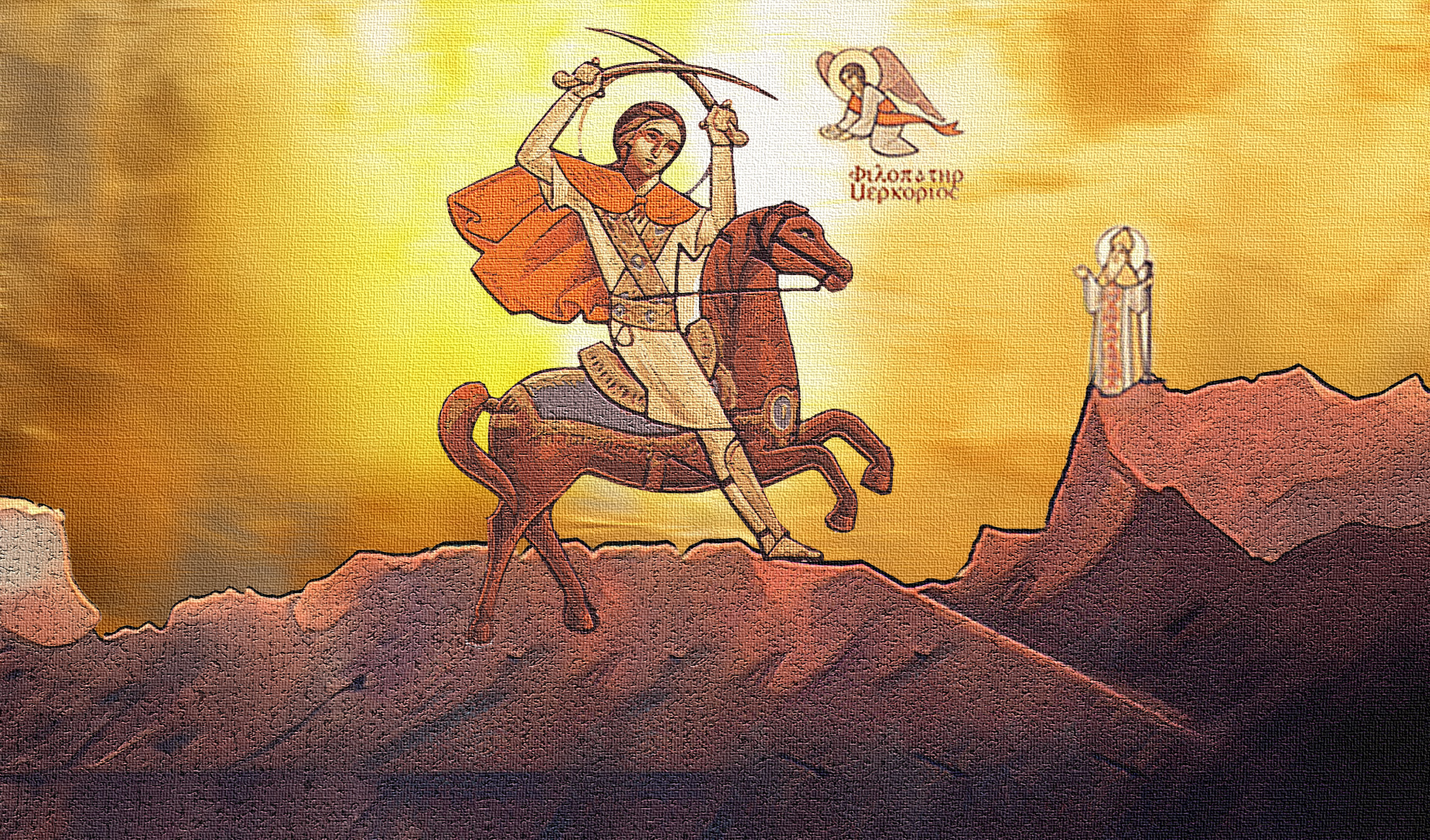
- St. Mercurius (Philopateer / Abu Seifein, “of the Two Swords”) — Born in Rome to Christian parents; enlisted in the Roman army under Emperor Decius (249–251 AD). He rose in rank, received a miraculous second sword from an angel during battle against the Berbers, and attributed victory to God. After the victory, he refused to sacrifice to idols, publicly cast off his military girdle and attire, and declared faith in Christ alone. He was tortured and beheaded in Caesarea. One of the most prominent military martyr saints in Coptic tradition. Commemorated on 25 Baramhat (Paremhat).
stphilopater.ca
Our Saint - St. Philopater Church | Coptic Orthodox Church | Guelph | Ontario
- St. Dasya the Soldier — From Tanda (or similar locale). Martyred by beheading under Arianus, governor of Ansena (Antinoopolis), during the Diocletianic persecution. Commemorated on 2 Thout (Tout).
- St. Sina the Soldier — Martyred during the persecution era; associated with St. Isidore (his friend). Commemorated on 24 Baramouda (Pharmuthi).
- St. Abaskhiroun the Soldier — Explicitly a soldier martyr. Commemorated on 7 Paona (Paoni).
- St. Phoebammon (Abe-Fam / Epipham) the Soldier — Soldier who suffered martyrdom. Commemorated on 27 Toba (Tybi) (also linked to church consecrations in his name).
- St. Eusignius (Eugenius) the Soldier — Soldier martyr. Commemorated on 5 Toba (Tybi).
- St. John the Soldier — Martyred for the faith. Commemorated on 3 Baba (Paopi).
- St. James the Soldier — Soldier who received the crown of martyrdom. Commemorated on 17 Mesra (Mesori).
- St. Longinus the Soldier — Traditionally identified with the centurion who pierced Christ’s side (later converted); venerated as a martyr in the Coptic tradition. Commemorations include the appearance of his head (5 Hator / Hathor) and his martyrdom (23 Abib / Epip). Associated entries include Sts. Paul, Longinus, and Deenah (Zena) on Hator 24.
St. George (“Prince of Martyrs” in Coptic veneration) — Born ~280 AD in Cappadocia to a Christian family. As a young nobleman, he joined the Roman army and rose to officer/tribune rank in the imperial guard under Diocletian. He was martyred ~303 or 307 AD (during the Diocletianic persecution) after refusing to recant his faith and sacrifice to idols. He is one of the most beloved saints in Egypt, with hundreds of churches dedicated to him. His passion is included in Coptic hagiographical tradition and the Synaxarion cycle (commemorated around late Paremhat / early May in the Gregorian calendar).
St. Menas (Mari Mina the Wonderworker) — One of the greatest and most popular Coptic martyrs. He suffered under Diocletian (tortures, wild beasts, fire, beheading). While not always described primarily as a “soldier” in every variant, he is frequently associated with military contexts or iconographically linked to soldier-saints in Coptic tradition and is a central figure in the Synaxarion (major feast
15 Hator). His shrine at Maryut was a major pilgrimage site.
Note on St. Maurice and the Theban Legion: These Egyptian Christian soldiers from Thebes (Luxor), led by St. Maurice, form a famous legend of ~6,600 troops who refused to sacrifice or slaughter fellow Christians under Maximian (co-emperor with Diocletian) and were martyred in Gaul/Switzerland (~late 3rd century). They fit the criteria thematically and are venerated in Coptic devotion, but the standard current Coptic Synaxarion does not contain a dedicated entry for them (though some local or older traditions reference related commemorations around 25 Thout).
Other Notable Christian Martyrs (Non-Soldiers or General) in the Synaxarion (Pre-313 AD)
The Synaxarion contains far more entries for civilian Christians, virgins, families, bishops, and groups. Examples include (selected prominent ones; dates are Coptic commemorations):
- Apostolic and very early: St. Bartholomew the Apostle (1 Thout); St. Mark the Evangelist (founder of the Church in Alexandria, martyred ~68 AD under Nero); St. Stephen the Archdeacon (1 Toba); St. Thecla; St. Andrew the Apostle; St. Philip the Apostle; St. Barnabas (one of the Seventy); St. Timon the Apostle; St. Luke the Evangelist; St. Clement of Rome; St. Ignatius of Antioch.
- Decian/Valerian era examples: St. Cyprian and St. Justina (21 Thout, ~257 AD context).
- Diocletianic era (most numerous): St. Dimiana (Damiana) and the 40 virgins; St. Rebecca (Refka) and her five children (7 Thout); St. Sophia and the fifty virgins (10 Hator); St. Barbara and Juliana; St. Sarapamon, Bishop of Niku; St. George of Alexandria; numerous martyrs in Alexandria, Fayyum, Ansena, and Upper Egypt under governors like Arianus; families and virgins who refused sacrifice (e.g., Sts. Agathon, Peter, John, Amun, Amuna and their mother Rebecca; Sts. Basin and her children; Sts. Behnam and Sarah; Sts. Cosmas and Damian with their brothers and mother).
Many entries describe prolonged tortures (whipping, racks, wild animals, burning, beheading, sawing) followed by steadfast confession of Christ. The emphasis is on the “therapeutic” or witness aspect of martyrdom in Coptic theology.
Summary and Context
The Coptic Synaxarion portrays these martyrs—soldiers and civilians alike—as models of unwavering faith who chose death over compromise with imperial pagan demands. Soldier saints like St. Mercurius and St. George are especially venerated because they publicly renounced military honors and insignia for Christ. The “Age of Martyrs” (post-284 AD) dominates the calendar, reflecting Egypt’s intense experience of the Great Persecution.
For complete texts, consult reliable English translations or the online edition at copticchurch.net/synaxarium (day-by-day summaries and full entries). Printed editions (e.g., those based on the work of Anba Butrus of Malij and others) provide the full Bohairic/Arabic liturgical versions.
archive.org
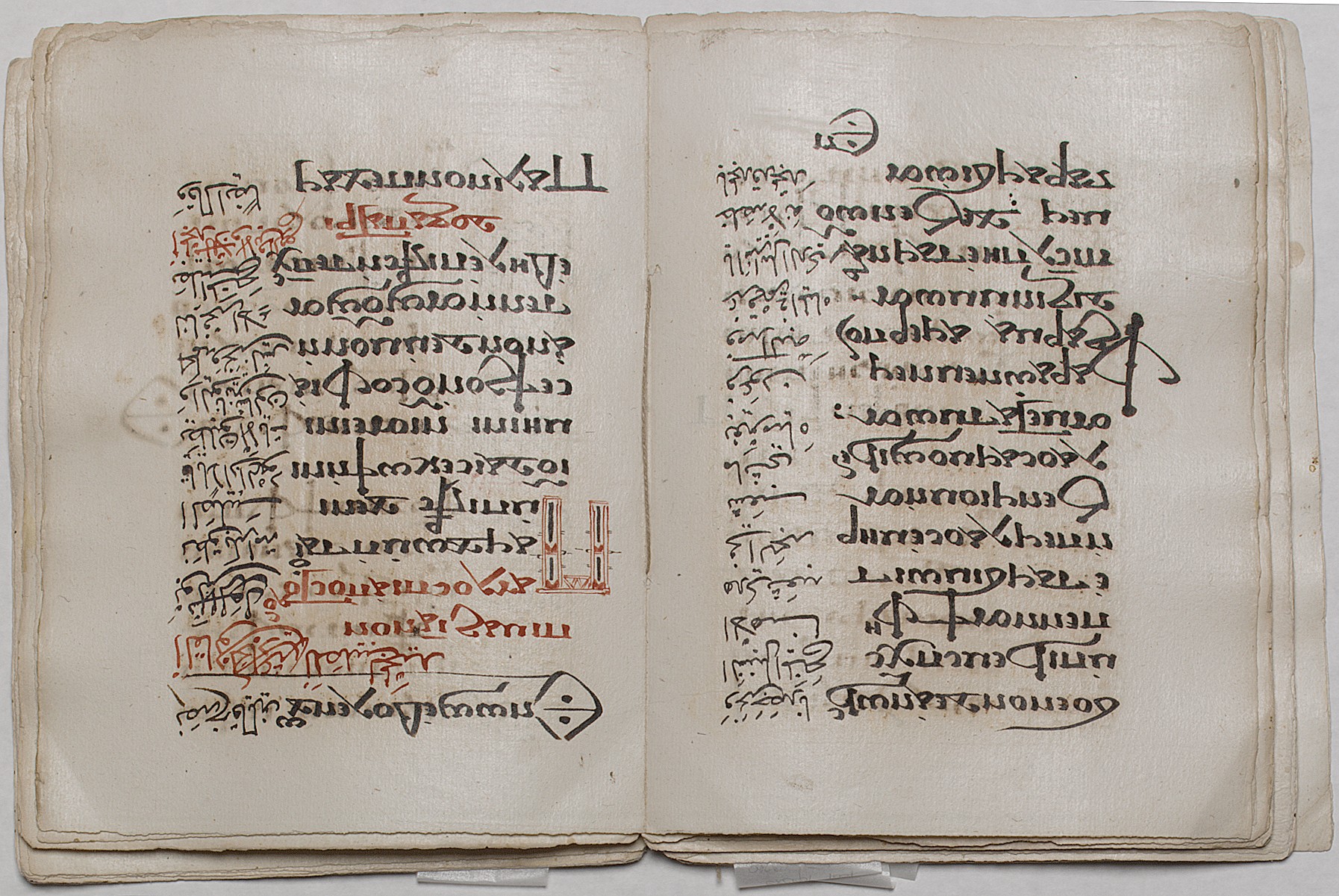
Coptic Manuscript : Free Download, Borrow, and Streaming : Internet Archive
These accounts continue to inspire Coptic faithful today as living witnesses to the cost and glory of Christian discipleship before legalization. If you would like full translated passages for any specific saint, more details on a particular date, or icons/stories of additional martyrs, let me know!