


For when they shall say, Peace and safety; then sudden destruction cometh upon them, as travail upon a woman with child; and they shall not escape. 1 Thes. 5:3
Is this the one?
Is this the one?
Welcome to Christian Forums, a Christian Forum that recognizes that all Christians are a work in progress.
You will need to register to be able to join in fellowship with Christians all over the world.
We hope to see you as a part of our community soon and God Bless!

That verse has nothing to do with a peace treaty in the Middle East. Let's look at it in context.For when they shall say, Peace and safety; then sudden destruction cometh upon them, as travail upon a woman with child; and they shall not escape. 1 Thes. 5:3
Is this the one?
No, it's not. For one thing it's not really even a peace deal. It's a "memo of understanding" that Trump is touting as a peace deal. It has no teeth; it has no provision for third-party inspections. It's just a weak attempt to help himself politically.For when they shall say, Peace and safety; then sudden destruction cometh upon them, as travail upon a woman with child; and they shall not escape. 1 Thes. 5:3
Is this the one?

Nope, and its not a "peace agreement" it is an Agreement (Covenant) people think it has to be an peace agreement, else why would Israel sign on? Instead it is this below which has run in 7 year cycles, but its just the framework of the real agreement. NOTICE THE RED EMPHASIS.For when they shall say, Peace and safety; then sudden destruction cometh upon them, as travail upon a woman with child; and they shall not escape. 1 Thes. 5:3
Is this the one?
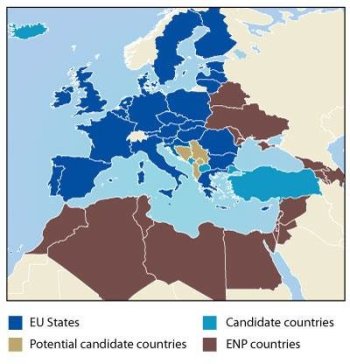
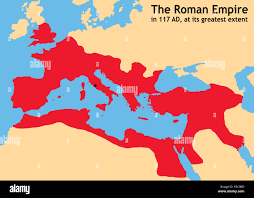

No. The saying of "peace and safety" will be right after the Gog/Magog event of Ezekiel 38-39, when the Antichrist arrives on the scene and the Jews think he is their long awaited King of Israel messiah. And a false messianic age begins.For when they shall say, Peace and safety; then sudden destruction cometh upon them, as travail upon a woman with child; and they shall not escape. 1 Thes. 5:3
Is this the one?
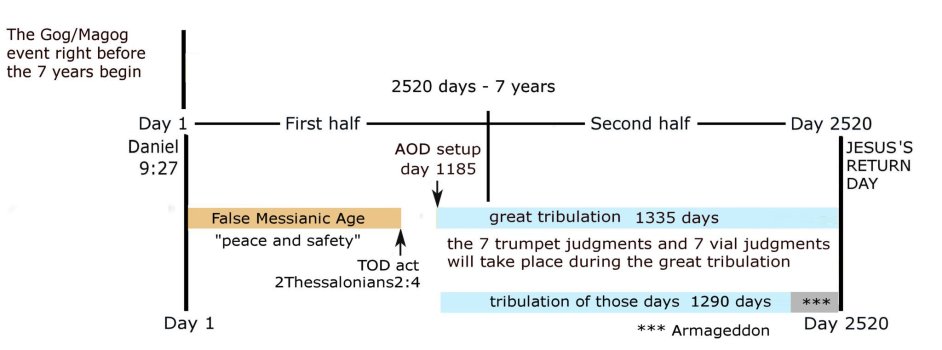

NoFor when they shall say, Peace and safety; then sudden destruction cometh upon them, as travail upon a woman with child; and they shall not escape. 1 Thes. 5:3
Is this the one?

Correct 100%. Trump conceded on several things bc Iran refused money. (It's money that the US stole from them, anyway.)No, it's not. For one thing it's not really even a peace deal. It's a "memo of understanding" that Trump is touting as a peace deal. It has no teeth; it has no provision for third-party inspections. It's just a weak attempt to help himself politically.

For when they shall say, Peace and safety; then sudden destruction cometh upon them, as travail upon a woman with child; and they shall not escape. 1 Thes. 5:3
Is this the one?

Hi Ronald,For when they shall say, Peace and safety; then sudden destruction cometh upon them, as travail upon a woman with child; and they shall not escape. 1 Thes. 5:3
Is this the one?

I think there's something you are missing here. Paul indicated that the "sudden destruction" was something that would come upon more than just Jerusalem and Judea because he told the Thessalonian believers that the way to avoid the sudden destruction was by being in the spiritual light rather than spiritual darkness. He gave that as the reason why the Thessalonian believers would not need to be concerned that the sudden destruction could affect them if that unexpected event were to occur in their lifetimes.Hello Ronald,
The core historical point is this: “Peace and safety” was a real political slogan in the first‑century Roman world, and Paul is deliberately using it to warn the Thessalonian believers that the very empire boasting of stability was on the brink of catastrophic judgment.
I can’t reach this site not sure why, but copilot list it as well. https://www.judaism-and-rome.org/1-thessalonians-53?utm_source=copilot.com
---
The Roman slogan “Peace and Safety”
In the first century, Rome constantly advertised the Pax Romana — the “peace” and “security” supposedly guaranteed by Caesar. Inscriptions, coins, and imperial propaganda used the exact phrase eirēnē kai asphaleia (“peace and security”). Thessalonica, where Paul’s audience lived, minted coins celebrating Pax and Securitas, and inscriptions honored the emperor for bringing “peace and safety.” judaism-a... +1
Paul is intentionally echoing that slogan to expose its emptiness. Rome promised stability — but the prophets had long warned that when people say “Peace, peace,” destruction is near (Jeremiah 6:14). judaism-and-...
---
Why Paul says “then sudden destruction”
Paul’s warning mirrors the Hebrew prophets and Jesus’ own language:
• sudden judgment like the Flood
• sudden fire on Sodom
• sudden “birth pains” of covenant judgment (Isaiah 13:8; Matthew 24:8)
Bible Hub
The “labor pains” metaphor means inevitable, unstoppable, and intensifying — once they begin, the outcome cannot be delayed. Bible Hub
---
How this fits the first‑century timeline
Paul wrote 1 Thessalonians around 50 AD, during the height of Rome’s propaganda about peace. But within a generation:
• Judea erupted in revolt (66 AD)
• Rome crushed Jerusalem (70 AD)
• the Temple was destroyed
• the Jewish world experienced “sudden destruction” exactly as Jesus foretold in Matthew 24
Paul’s audience lived in a world where Rome boasted of security — yet the covenantal Day of the Lord was approaching their generation, not ours. The warning was for them, not for 21st‑century readers.
---
The point Paul is making
Paul is saying:
• When the world around you boasts of stability…
• When the empire claims to guarantee peace…
• When the unbelieving world feels safe…
That is precisely when God’s covenant judgment breaks in.
Rome’s “peace” was a façade. The Day of the Lord would expose it.
---
Summary
1 Thessalonians 5:3 is not a vague end‑times prediction for our era — it is a razor‑sharp critique of first‑century Roman propaganda and a warning to the early church that the Day of the Lord was about to fall on the old covenant world. The slogan “peace and safety” was on the lips of Rome, but destruction was at the door.
Summary
1 Thessalonians 5:3 is not a vague end‑times prediction for our era — it is a razor‑sharp critique of first‑century Roman propaganda and a warning to the early church that the Day of the Lord was about to fall on the old covenant world. The slogan “peace and safety” was on the lips of Rome, but destruction was at the door.
There is no indication of that in the text itself whatsoever.Well, who is "they" in the scripture, " When they say peace and safety ..."? I would say Israel.
Where do you see anything like this described in 1 Thessalonians 5? It's nowhere to be found there. You need to get your beliefs from scripture, not from your imagination.They do not totally approve of this deal yet is what I'm sensing. But time will tell. Will they be in Geneva to sign it? Vance says Israel will come around.?
Let's back up a bit. Who has been the #1 Terrorist State? IRAN. They have funded proxy wars against Israel for decades. They are the ones who later gather ten nations against Israel. It won't be some group of EU nations ( a common misbelief of a revised Roman Empire). No, Islam is the Beast. The beast has manifest itself throughout history in six other Empires: Babylonia, Egyptian, Medo/Persian, Assyria, Greek, Roman. The 7th was the Ottoman. The Ottoman died on 1923, but now has been resuscitated. The 7th becomes the 8th. ISLAM.
So, it appears to be the one peace pronouncement that will ignite ( sudden destruction). 3.5 years from now and we come to 2030. Not much time to come up with some other peace negotiation. 1948 + 80 ( one generation) is almost upon us.
But hey, thank you all for your input... I could be wrong ... but so could all of you.
Let's wait..Will Israel soon make this claim? They are still battling Hezbollah and the Hamas won't stop ... nor will the Houthis. ??
This whole idea of a Peace Treaty comes from Dan. 9:27 (which I personally think was fulfilled long ago). But there must be some peace agreement if they claim peace and safety.some time I'm the near future.
Well, who is "they" in the scripture, " When they say peace and safety ..."? I would say Israel. They do not totally approve of this deal yet is what I'm sensing. But time will tell. Will they be in Geneva to sign it? Vance says Israel will come around.?
Let's back up a bit. Who has been the #1 Terrorist State? IRAN. They have funded proxy wars against Israel for decades. They are the ones who later gather ten nations against Israel. It won't be some group of EU nations ( a common misbelief of a revised Roman Empire). No, Islam is the Beast. The beast has manifest itself throughout history in six other Empires: Babylonia, Egyptian, Medo/Persian, Assyria, Greek, Roman. The 7th was the Ottoman. The Ottoman died on 1923, but now has been resuscitated. The 7th becomes the 8th. ISLAM.
So, it appears to be the one peace pronouncement that will ignite ( sudden destruction). 3.5 years from now and we come to 2030. Not much time to come up with some other peace negotiation. 1948 + 80 ( one generation) is almost upon us.
But hey, thank you all for your input... I could be wrong ... but so could all of you.
Let's wait..Will Israel soon make this claim? They are still battling Hezbollah and the Hamas won't stop ... nor will the Houthis. ??


For when they shall say, Peace and safety; then sudden destruction cometh upon them, as travail upon a woman with child; and they shall not escape. 1 Thes. 5:3
Is this the one?


