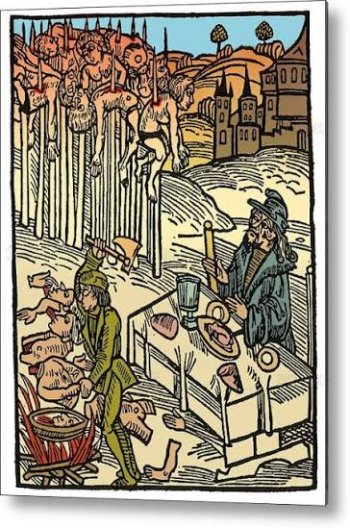
Was Vlad the Impaler a Christian
Yes, Vlad III (Vlad the Impaler, also known as Vlad Țepeș or Vlad Dracula), the 15th-century prince of Wallachia, was a Christian—specifically raised in and primarily identified with Eastern Orthodoxy. Wallachia was an Orthodox Christian principality. Vlad was born into this tradition (around 1428–1431). His father, Vlad II Dracul, belonged to the Order of the Dragon, a Christian knightly order founded to defend Christendom against Ottoman expansion. Vlad himself supported the Orthodox Church: he founded or endowed monasteries (including Comana), donated to sites such as Mount Athos, associated with monks, and framed his wars against the Ottoman Empire as defense of Christianity. In a 1462 letter to Hungarian King Matthias Corvinus, he cited fighting “for the preservation of Christianity.” Contemporary and later accounts portray him as viewing himself as a Christian crusader against Ottoman forces. There is evidence of a possible late conversion to Roman Catholicism. After his defeat and imprisonment in Hungary (roughly 1462–1475), some sources report that he converted (or was required to convert) from Orthodoxy to Catholicism as a condition for release, Hungarian support, and marriage ties. Slavic/Russian accounts criticized him as a heretic for this; Wikipedia and certain Western sources note the change; Orthodox-leaning accounts often question its sincerity or permanence and emphasize his ongoing Orthodox patronage and identity. He died in 1476/1477 fighting Ottomans while allied with Christian rulers (including Moldavia’s Stephen the Great). In short, he was a Christian ruler whose life and wars centered on defending Christian Wallachia and broader Christendom from Ottoman expansion, rooted in Orthodoxy, with a reported pragmatic late shift toward Catholicism under political pressure. His brutal methods (including mass impalement) were of their era and directed heavily at enemies and perceived traitors; Romanian tradition remembers him more as a national and Christian defender than the later vampire legend.
Source Grok